
The GitHub Copilot AI coding assistant has shifted to a token-based billing model, sparking widespread criticism from developers who fear significant increases in their monthly expenses.
What Happened
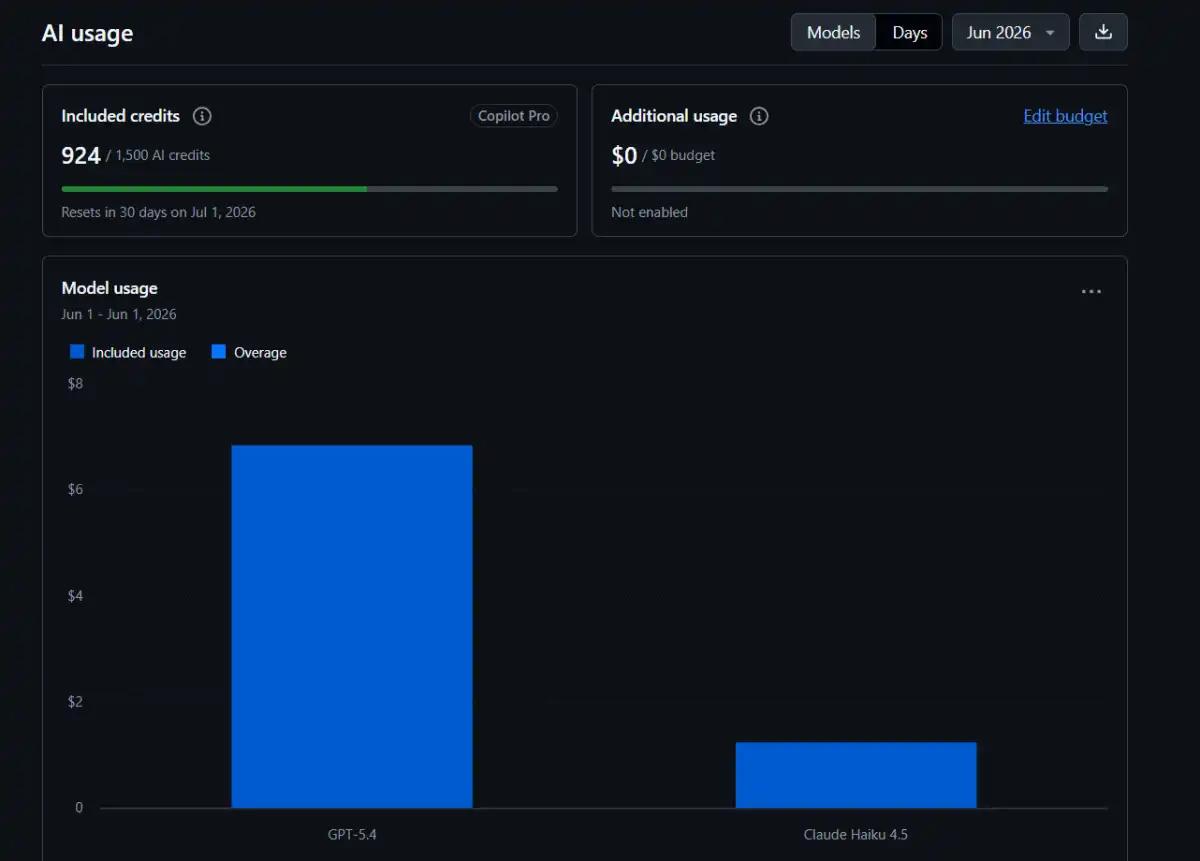
Effective June 1, 2026, GitHub Copilot transitioned from a fixed subscription-based model to a usage-based billing system. Under the new framework, users will be charged based on the number of AI tokens consumed during coding sessions rather than paying a predictable flat fee.
The change is linked to the growing use of advanced AI-powered coding workflows, which require substantially greater computing resources and consume far more tokens during extended tasks. As a result, GitHub replaced its previous request-based structure with a system based on actual token consumption.

Background and Context
The shift to a token-based billing model is part of a broader industry trend as AI companies attempt to align pricing with the increasing computational costs of advanced generative AI tools. The move has been met with criticism from developers, particularly those who rely heavily on AI-generated coding sessions.
Some users have expressed concerns that only those heavily relying on AI-generated coding sessions are likely to experience major cost increases. Others argue that the new pricing will affect everyone equally, regardless of their workload complexity or iteration count.
Why It Matters to the Industry
The controversy highlights a growing challenge across the AI industry as companies balance the need for revenue growth with the desire to maintain affordability and accessibility for developers. The shift to token-based billing raises questions about the sustainability of current pricing models and the potential impact on developer adoption and usage.
For adult-industry platforms and operators, this development may have implications for their own AI-powered tools and services. As they navigate the complexities of AI-driven content creation and moderation, they must consider the costs and benefits of adopting similar token-based billing models or exploring alternative pricing structures that balance revenue growth with developer affordability.
What Comes Next
The impact of GitHub Copilot's new token-based billing model will be closely watched by developers and industry observers alike. As the AI industry continues to evolve, it remains to be seen how other companies will adapt their pricing models to reflect the increasing computational costs of advanced generative AI tools.
Key Facts
- GitHub Copilot has shifted to a token-based billing model, effective June 1, 2026.
- Users will be charged based on the number of AI tokens consumed during coding sessions rather than paying a predictable flat fee.
- The change is linked to the growing use of advanced AI-powered coding workflows and the increasing computational costs of generative AI tools.
- Developers have expressed concerns that only those heavily relying on AI-generated coding sessions will experience major cost increases.
- The shift to token-based billing raises questions about the sustainability of current pricing models and their potential impact on developer adoption and usage.
The GitHub Copilot AI coding assistant has sparked controversy with its new token-based billing model, highlighting a growing challenge across the AI industry as companies balance revenue growth with developer affordability. As the industry continues to evolve, it remains to be seen how other companies will adapt their pricing models to reflect the increasing computational costs of advanced generative AI tools.