
The creator of the iconic "This is Fine" meme, KC Green, has reached a settlement with AI startup Artisan after criticizing the company for using his artwork in advertising without permission. The dispute highlights the complexities of intellectual property rights and the challenges faced by artists when their work is used by large tech firms.
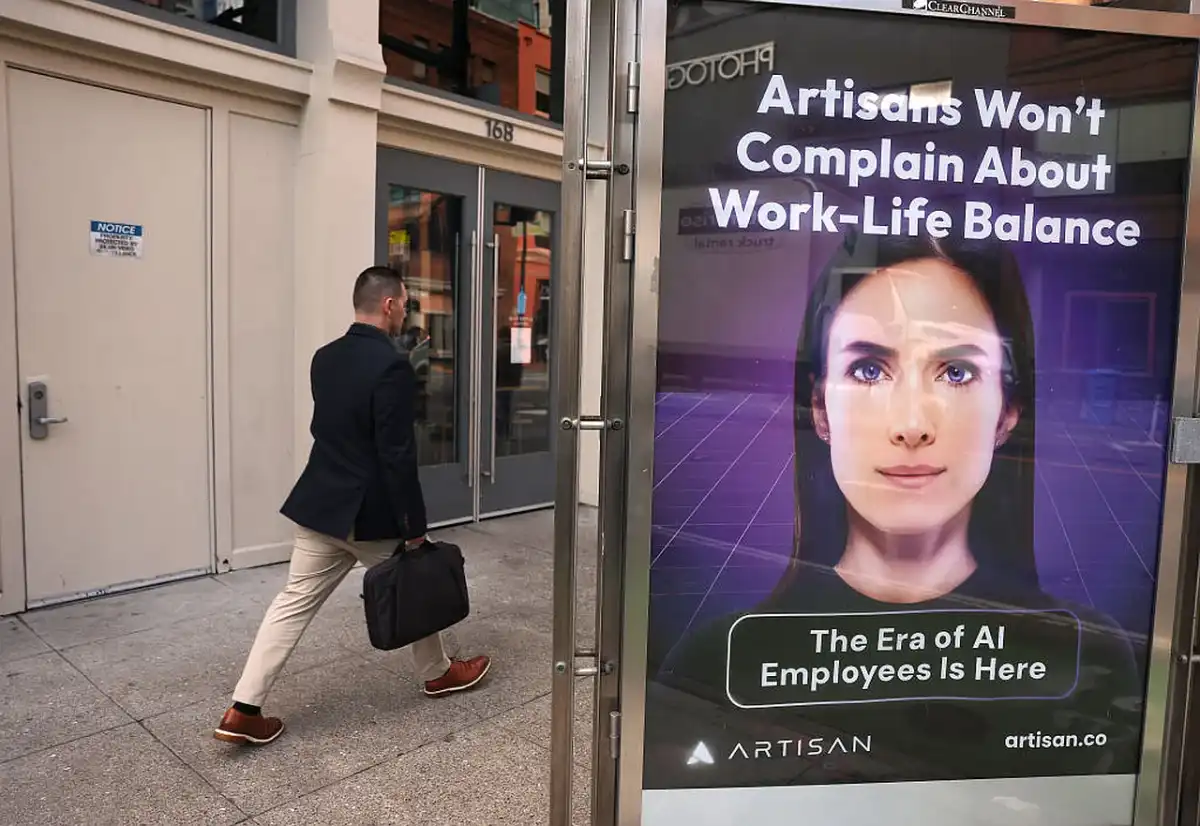
The controversy began when Artisan featured Green's famous dog character in bus and subway ads promoting its AI assistant, Ava. The ads depicted the dog sitting amidst flames, but instead of saying "This is fine," it declared "My pipeline is on fire" while urging people to hire Ava the AI BDR. Green publicly criticized the use of his artwork, stating that his art had been "stolen just like AI steals" and encouraging his followers to vandalize the ads if they saw them.
Background and Context
The "This is Fine" meme has become a cultural phenomenon since its creation in 2013. The image of the dog sitting amidst flames, captioned with the phrase "This is fine," has been widely used to express resignation or acceptance in the face of adversity. Green's artwork has been reproduced and parodied countless times, but this incident marks one of the first instances where he has taken action against unauthorized use.

Artisan, on the other hand, is an AI startup that offers a range of services, including AI-powered sales pipeline management. The company's use of Green's artwork in its advertising campaign was likely intended to create a memorable and attention-grabbing image. However, it appears that Artisan did not obtain permission from Green or his representatives before using the image.
Why It Matters to the Industry
The dispute between KC Green and Artisan highlights the importance of intellectual property rights in the digital age. As AI-generated content becomes increasingly prevalent, artists and creators are facing new challenges in protecting their work from unauthorized use. The incident also underscores the need for tech firms to prioritize transparency and accountability when using copyrighted materials.
For adult-industry platforms and operators, this case serves as a reminder of the importance of respecting intellectual property rights. With the rise of AI-generated content, it is essential to establish clear guidelines and protocols for using copyrighted materials in advertising campaigns. Failure to do so can result in reputational damage, legal exposure, and inventory takedowns.
Operational Lessons
The resolution of this dispute offers several operational lessons for marketing leaders and tech firms. Firstly, creative clearance needs to match channel risk. Out-of-home placements like buses and subways are hard to quietly iterate, and if a concept relies on a widely known character or meme format, explicit clearance is necessary before media buying.
Secondly, separating "reference" from "reproduction" is crucial. If the use of an image is intended as a reference rather than a reproduction, it should be clearly labeled as such to avoid confusion and potential copyright infringement claims.
Key Facts
- KC Green, creator of the "This is Fine" meme, reached a settlement with AI startup Artisan after criticizing the company for using his artwork in advertising without permission.
- The dispute arose when Artisan featured Green's famous dog character in bus and subway ads promoting its AI assistant, Ava.
- Green publicly criticized the use of his artwork, stating that his art had been "stolen just like AI steals" and encouraging his followers to vandalize the ads if they saw them.
- The two sides reached a settlement, with Artisan taking down the offending ads in New York and San Francisco and Green deleting his initial post.
- The incident highlights the importance of intellectual property rights in the digital age and the need for tech firms to prioritize transparency and accountability when using copyrighted materials.
What Comes Next?
The resolution of this dispute sets a positive example for other independent creators facing similar issues with AI-generated content or promotions. It demonstrates that dialogue can lead to fast fixes rather than long court battles that drain creative energy.
For KC Green and Artisan, the settlement marks a new chapter in their relationship. While the terms of the agreement are not publicly disclosed, it is likely that both parties have agreed to respect each other's intellectual property rights going forward.
The incident also serves as a reminder for adult-industry platforms and operators to prioritize transparency and accountability when using copyrighted materials. By doing so, they can avoid reputational damage, legal exposure, and inventory takedowns while maintaining a positive relationship with their users and partners.