
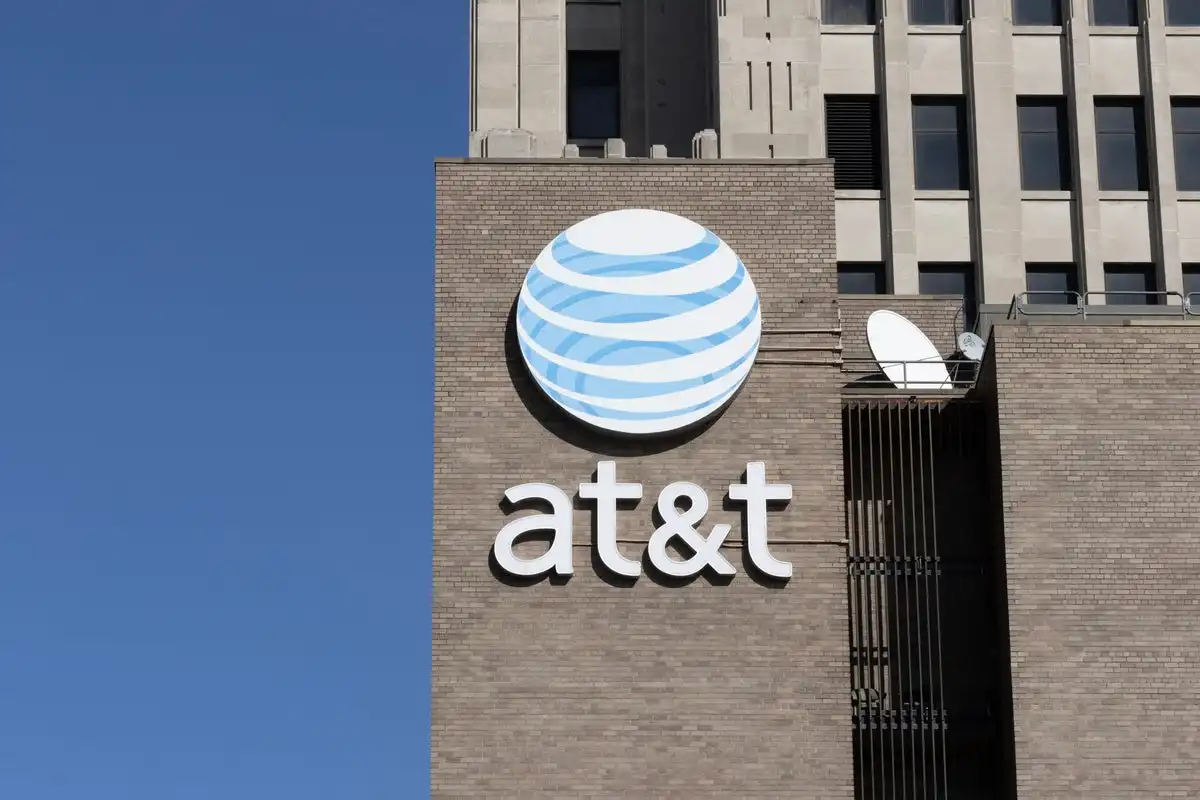
The US Supreme Court has ruled against wireless carriers AT&T and Verizon in a battle over Federal Communications Commission (FCC) fines, upholding the agency's system for levying penalties. The 8-1 decision, authored by Chief Justice John Roberts, rejected challenges from the two companies that argued their constitutional right to a jury trial was violated.
The ruling has significant implications for the adult industry, which relies heavily on online platforms and streaming services to reach customers. The FCC's system for imposing fines is similar to those used by other regulatory bodies, such as the Federal Trade Commission (FTC), which also plays a crucial role in enforcing age verification and content moderation policies.
What Happened
The dispute began when the FCC levied substantial fines against several carriers, including AT&T ($57 million) and Verizon (nearly $47 million), for allegedly selling access to customer location data without user consent. The companies paid their respective fines but also initiated legal challenges, leading to a divergence among regional US appellate courts regarding the legality of the FCC's in-house penalty procedure.

The Supreme Court took up the case after conflicting rulings from the 2nd and 5th US Circuit Courts of Appeals. In its decision, the high court sided with the Trump administration's defense of the FCC's system, which contended that the agency's in-house procedures do not preclude parties from pursuing legal challenges to its assessments.
Background and Context
The case has its roots in a 2018 investigation by the FCC into carriers' handling of customer location data. The agency concluded that several companies, including AT&T and Verizon, had unlawfully sold access to this sensitive information without securing user consent. The fines imposed on these carriers were part of a larger effort by the FCC to protect consumer privacy and enforce compliance with regulations.
The Supreme Court's decision is significant because it upholds the FCC's authority to impose in-house penalties, rejecting the argument that these proceedings deprive companies of their constitutional right to a jury trial. The ruling also clarifies that forfeiture orders issued by the FCC do not definitively resolve parties' legal obligations and that the agency's factual findings are not conclusive.
Why It Matters to the Industry
The Supreme Court's decision has important implications for the adult industry, which relies heavily on online platforms and streaming services. The ruling upholds the FCC's authority to impose in-house penalties, which could be used to enforce compliance with regulations related to age verification, content moderation, and consumer privacy.
For adult-industry operators, this decision means that they must continue to comply with regulatory requirements, including those related to data protection and consumer consent. Failure to do so could result in significant fines and penalties, as seen in the case of AT&T and Verizon.
What Comes Next
The Supreme Court's decision is likely to have far-reaching implications for the adult industry, which will need to adapt to the new regulatory landscape. Industry operators will need to ensure that they are complying with all relevant regulations, including those related to age verification and content moderation.
The ruling also highlights the importance of transparency and accountability in the online ecosystem. As the Supreme Court noted, forfeiture orders issued by the FCC do not definitively resolve parties' legal obligations, and companies must continue to comply with regulatory requirements even after paying fines.
Key Facts
- The US Supreme Court has ruled against wireless carriers AT&T and Verizon in a battle over Federal Communications Commission (FCC) fines.
- The decision upholds the FCC's system for levying penalties, rejecting challenges from the two companies that argued their constitutional right to a jury trial was violated.
- The ruling has significant implications for the adult industry, which relies heavily on online platforms and streaming services.
- AT&T was fined $57 million, and Verizon nearly $47 million, for allegedly selling access to customer location data without user consent.
- The Supreme Court's decision clarifies that forfeiture orders issued by the FCC do not definitively resolve parties' legal obligations and that the agency's factual findings are not conclusive.