
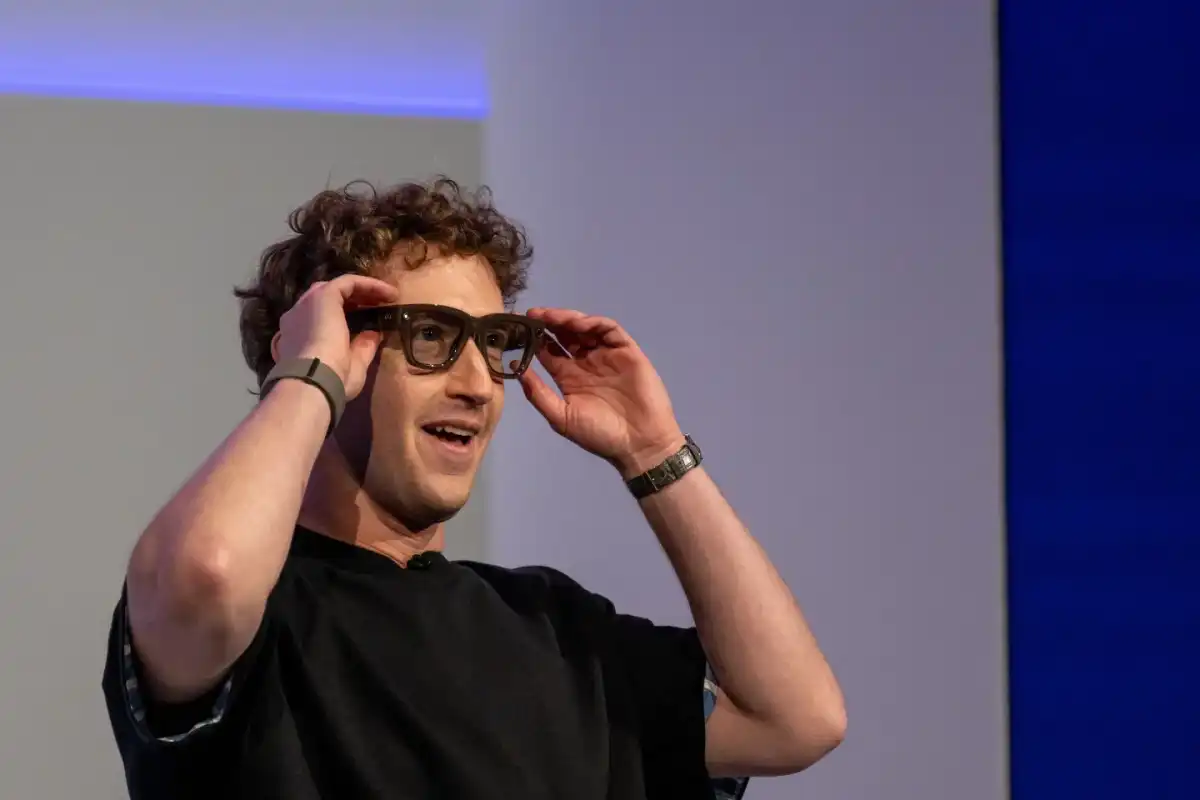
Meta's AI efforts have taken a significant step forward with the release of Muse Spark, its most credible AI model yet. The company has been investing heavily in AI research and development, including a $14.3 billion deal to acquire Scale AI and bring on board CEO Alexandr Wang as Chief AI Officer.
Wang's team at Meta Superintelligence Labs has been working tirelessly to develop Muse Spark, which is designed to improve content and advertising targeting machines, as well as underpin initiatives ranging from AI assistants and business agents to digital avatars and wearables. The model has been praised for its visual understanding capabilities, but lags behind rivals in coding.
Meta's stock price jumped 6.5% on the news, with analysts praising the company's efforts to regain momentum in the fiercely competitive AI market. However, some insiders have expressed concerns that Meta may be overplaying its hand, and that the company still has a long way to go before it can catch up with leaders like OpenAI and Google.

What Happened
Muse Spark is the result of a year-long effort by Wang's team at Meta Superintelligence Labs. The model was trained using some elements of Meta's pre-existing AI infrastructure, including code and datasets associated with Llama 4. However, Wang has acknowledged that the contributions of the Llama team were not fully recognized in the development process.
Wang's leadership style has been described as "frenetic" by some insiders, who have expressed concerns about his ability to manage the complex and often contentious world of AI research. However, others have praised Wang for his willingness to listen and adapt to changing circumstances.
The release of Muse Spark marks a significant milestone in Meta's efforts to develop more advanced AI models. The company has been investing heavily in AI research and development, including a $29 billion deal to fund custom AI data centers and a $14.3 billion acquisition of Scale AI.
Background and Context
Meta's AI efforts have been hampered by a series of setbacks in recent years, including the disappointing debut of its Llama 4 models. The company has responded by investing heavily in AI research and development, including a $14.3 billion deal to acquire Scale AI and bring on board CEO Alexandr Wang as Chief AI Officer.
Wang's team at Meta Superintelligence Labs has been working tirelessly to develop more advanced AI models, including Muse Spark. The model is designed to improve content and advertising targeting machines, as well as underpin initiatives ranging from AI assistants and business agents to digital avatars and wearables.
Meta's investments in AI research and development have been significant, with the company spending tens of billions of dollars on custom AI data centers and other infrastructure. However, some analysts have expressed concerns that Meta may be overextending itself, and that the company still has a long way to go before it can catch up with leaders like OpenAI and Google.
Why It Matters
The release of Muse Spark marks an important milestone in Meta's efforts to develop more advanced AI models. The model is designed to improve content and advertising targeting machines, as well as underpin initiatives ranging from AI assistants and business agents to digital avatars and wearables.
Muse Spark has been praised for its visual understanding capabilities, but lags behind rivals in coding. However, the model's development represents a significant step forward for Meta, which has been struggling to catch up with leaders like OpenAI and Google.
The implications of Muse Spark are significant for the adult industry, where AI-powered content and advertising targeting machines could revolutionize the way that companies reach their customers. However, the model's limitations also highlight the challenges that companies face in developing more advanced AI models.
What Comes Next
Meta has announced plans to offer third-party developers access to Muse Spark's underlying technology via an API. The company is also expected to release future models that focus on coding, completing agentic tasks, and more advanced multimodal capabilities, including video generation.
The development of Muse Spark represents a significant step forward for Meta, which has been investing heavily in AI research and development. However, the model's limitations also highlight the challenges that companies face in developing more advanced AI models.
Key Facts
- Muse Spark is Meta's most credible AI model yet, designed to improve content and advertising targeting machines, as well as underpin initiatives ranging from AI assistants and business agents to digital avatars and wearables.
- The model was trained using some elements of Meta's pre-existing AI infrastructure, including code and datasets associated with Llama 4.
- Muse Spark has been praised for its visual understanding capabilities, but lags behind rivals in coding.
- Meta has announced plans to offer third-party developers access to Muse Spark's underlying technology via an API.
- The company is also expected to release future models that focus on coding, completing agentic tasks, and more advanced multimodal capabilities, including video generation.
Meta's AI efforts have taken a significant step forward with the release of Muse Spark. The model represents a significant milestone in Meta's efforts to develop more advanced AI models, but its limitations also highlight the challenges that companies face in developing more advanced AI models.