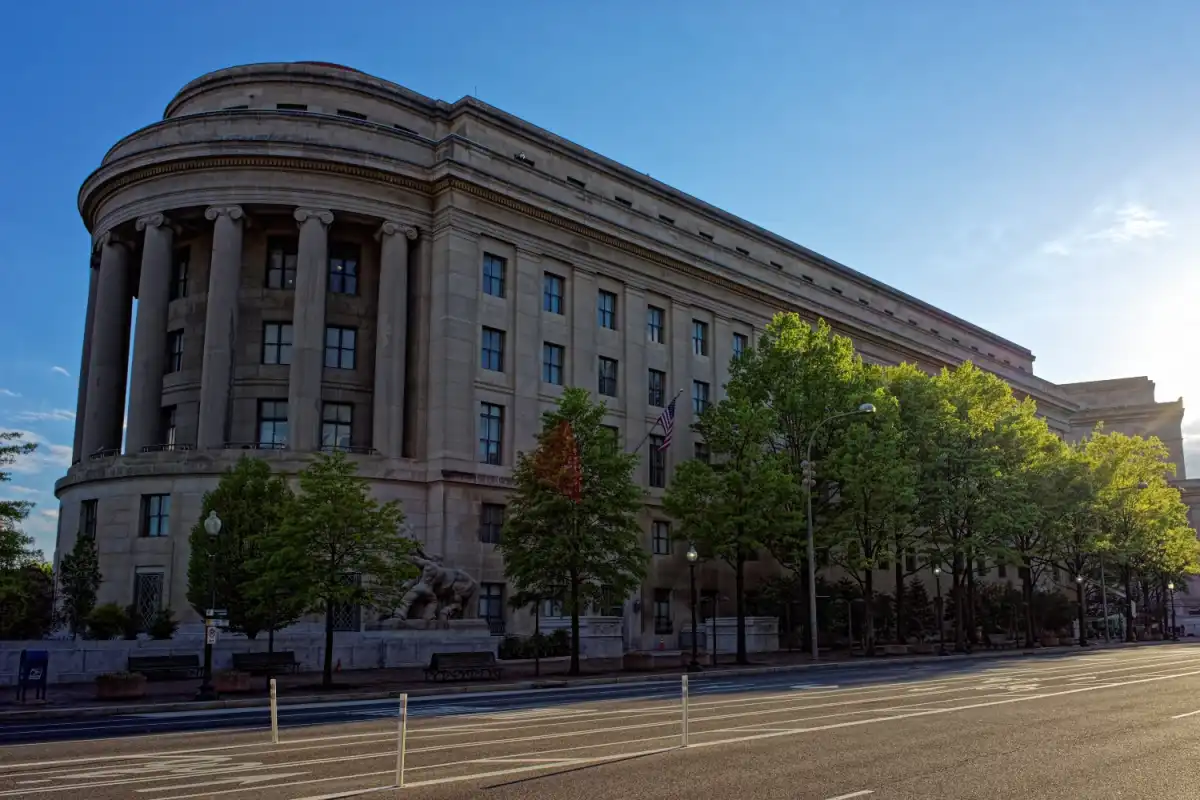
The Federal Trade Commission (FTC) has sent warning letters to 12 major tech companies, including Alphabet, Amazon, Apple, and Meta, for violating the TAKE IT DOWN Act. The law requires platforms to provide a mechanism for users to request the removal of nonconsensual intimate images within 48 hours of a valid request.
What Happened
The FTC began enforcing the TAKE IT DOWN Act on May 19, after giving businesses one year to come into compliance with the law's requirements. The law was championed by First Lady Melania Trump and signed into effect in May 2025. Chairman Andrew Ferguson sent letters last week to major platforms reminding them of their obligation to comply fully with TIDA.
The warning letters were sent to companies that offer "nudify" tools, which allow users to take a clothed image of an individual and remove the individual's clothing to create nonconsensual and sexualized images. The FTC notes that these companies appear to be in violation of TIDA by failing to provide individuals with a process through which victims can request the removal of nonconsensual intimate images appearing on their platforms.

Background and Context
The TAKE IT DOWN Act was enacted in response to growing concerns about deepfakes, nonconsensual images, and online harassment. The law's criminal prohibition on "knowingly publishing" authentic or synthetic nonconsensual intimate images took effect immediately, while the civil provisions meant to protect individuals impacted by the sharing and posting of nonconsensual intimate images on covered platforms took effect on May 19, 2026.
The FTC has been emphasizing its intentions to enforce the new law through repeated speeches by Chairman Andrew Ferguson and Commissioner Mark Meador. The agency also issued guidance for businesses about how to ensure they are complying with the law.
Why It Matters to the Industry
The TAKE IT DOWN Act's requirements pose significant challenges for adult-industry platforms, which often rely on user-generated content and may struggle to implement effective moderation and removal processes. The law's emphasis on providing a mechanism for users to request the removal of nonconsensual intimate images within 48 hours of a valid request will require platforms to develop new tools and procedures.
The FTC's warning letters also highlight the importance of age verification, as the TAKE IT DOWN Act requires platforms to share hashes with the National Center for Missing and Exploited Children when images depict minors. This requirement may impact adult-industry platforms that host user-generated content featuring adults.
What Comes Next
The FTC has made it clear that it will continue to monitor compliance, investigate violations, and enforce the TAKE IT DOWN Act. Companies that fail to comply with the law's requirements may face civil penalties of up to $53,088 per violation.
Platforms must now develop effective mechanisms for users to request the removal of nonconsensual intimate images and implement procedures for removing such content within 48 hours of a valid request. The FTC's guidance on compliance will be crucial in helping businesses navigate these new requirements.
Key Facts
- The Federal Trade Commission (FTC) has sent warning letters to 12 major tech companies, including Alphabet, Amazon, Apple, and Meta, for violating the TAKE IT DOWN Act.
- The law requires platforms to provide a mechanism for users to request the removal of nonconsensual intimate images within 48 hours of a valid request.
- The FTC began enforcing the TAKE IT DOWN Act on May 19, after giving businesses one year to come into compliance with the law's requirements.
- Companies that fail to comply with the law's requirements may face civil penalties of up to $53,088 per violation.
- The TAKE IT DOWN Act requires platforms to share hashes with the National Center for Missing and Exploited Children when images depict minors.
- The FTC has made it clear that it will continue to monitor compliance, investigate violations, and enforce the TAKE IT DOWN Act.