
As AI-generated content continues to flood social media platforms, YouTube has introduced new measures to help users identify realistic AI videos, but experts warn that these efforts may be too little, too late.
What's Happening
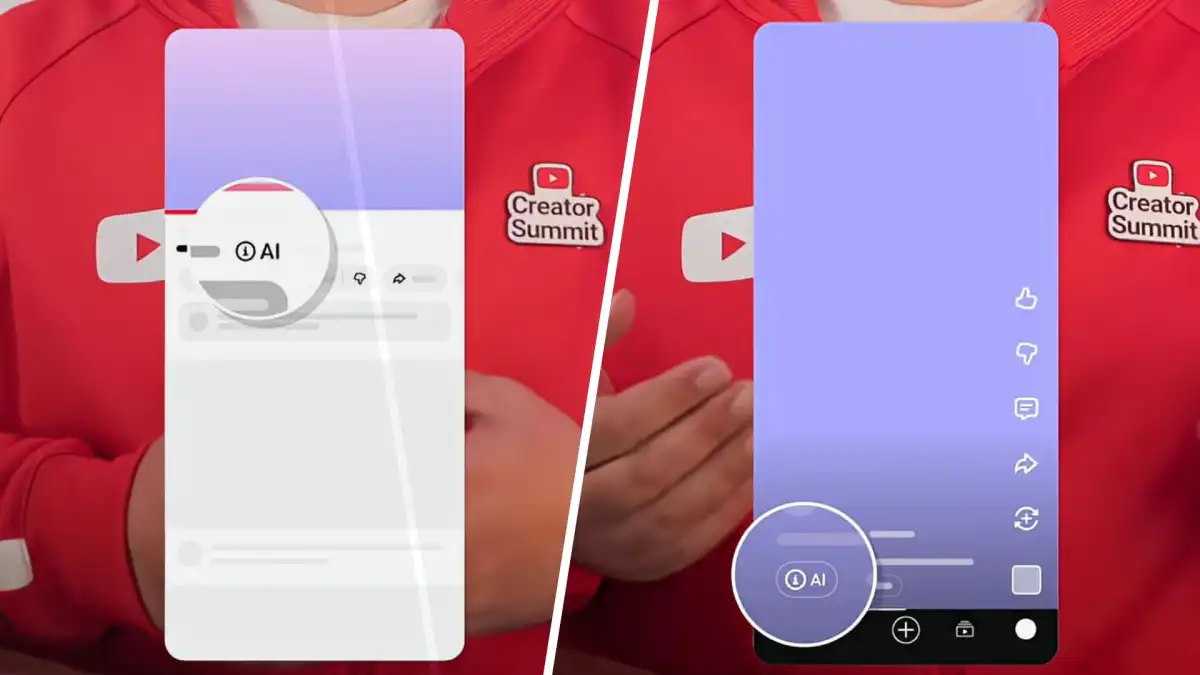
YouTube is introducing clearer AI labels and automatic AI detection tools as generative content becomes increasingly realistic. The platform has announced more visible AI labels alongside new automatic detection tools designed to identify realistic AI-generated videos. These labels will now appear directly underneath the video player for long-form videos, above the description. On Shorts, they'll appear as overlays on the video itself.
The move reflects growing pressure on platforms to help audiences identify realistic AI-generated media more easily. YouTube says these disclosures apply to "photorealistic and meaningfully AI altered or generated content," while less realistic or lightly edited content may still only show disclosures in expanded descriptions.

Background and Context
The rise of AI-generated content has been a growing concern for social media platforms, with many users struggling to distinguish between real and fake videos. A recent survey by CNET found that 55% of respondents were frustrated with AI content on social media, with 21% believing there should be a total ban on AI-generated content.
The survey also highlighted the challenges of identifying AI-generated content, with less than half of respondents confident in their ability to spot it. This has led to calls for better labeling and regulation of AI-generated content online. Currently, there are no legal requirements for AI-generated content to be labeled as such, although some verification tools are available.
Why It Matters to the Industry
The proliferation of AI-generated content poses significant challenges for social media platforms, including YouTube. As AI-generated videos become increasingly realistic, it becomes harder for users to distinguish between real and fake content. This can lead to a loss of trust in the platform and potentially even more severe consequences, such as the spread of misinformation or deepfakes.
For adult-industry platforms and operators, this development is particularly relevant. The industry has long grappled with issues related to age verification, moderation, and content authenticity. As AI-generated content becomes more prevalent, these challenges will only intensify.
What Comes Next
While YouTube's new measures are a step in the right direction, experts warn that they may not be enough to address the scale of the problem. The industry is likely to see increased pressure for better labeling and regulation of AI-generated content online. This could lead to more stringent requirements for platforms to identify and flag AI-generated content.
As the regulatory landscape evolves, it's essential for adult-industry platforms and operators to stay ahead of the curve. By understanding the implications of AI-generated content on their business, they can better prepare for the challenges that lie ahead.
Key Facts
- YouTube is introducing clearer AI labels and automatic AI detection tools.
- The platform will require creators to disclose when realistic AI tools are used to create or significantly alter content.
- Less than half of respondents in a recent CNET survey were confident in their ability to spot AI-generated content.
- 21% of respondents believed there should be a total ban on AI-generated content online.
- There are currently no legal requirements for AI-generated content to be labeled as such.
As the industry continues to navigate the challenges posed by AI-generated content, it's essential to stay informed and adapt to the changing landscape. By understanding the implications of these developments, adult-industry platforms and operators can better prepare for the future and ensure their business remains resilient in the face of emerging technologies.