
Data center operators are facing growing scrutiny over their water usage, with some tech giants moving away from evaporative cooling to reduce their environmental impact.
Water Scarcity Concerns
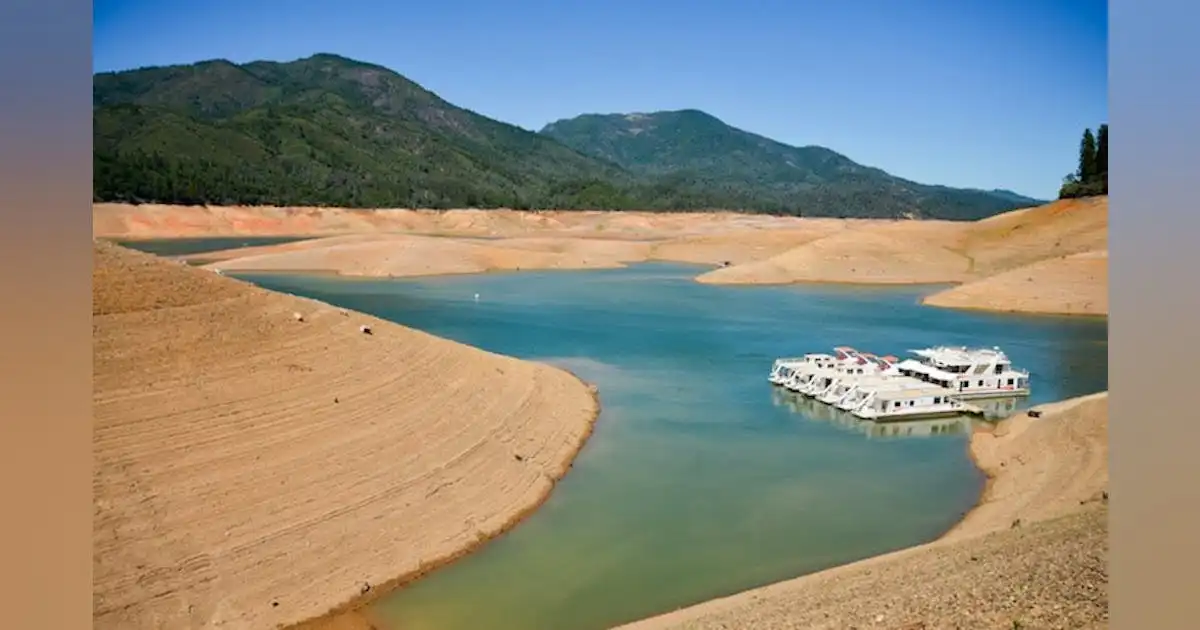
A recent Gallup poll found that seven out of 10 Americans are opposed to data center development, with water scarcity ranking as the top resource concern. This growing backlash has prompted some tech companies to reevaluate their approach to cooling their facilities. On Monday, SpaceX amended its initial public offering to state that water conditions—including water scarcity, regulations around water, and drought—could constrain data center development.
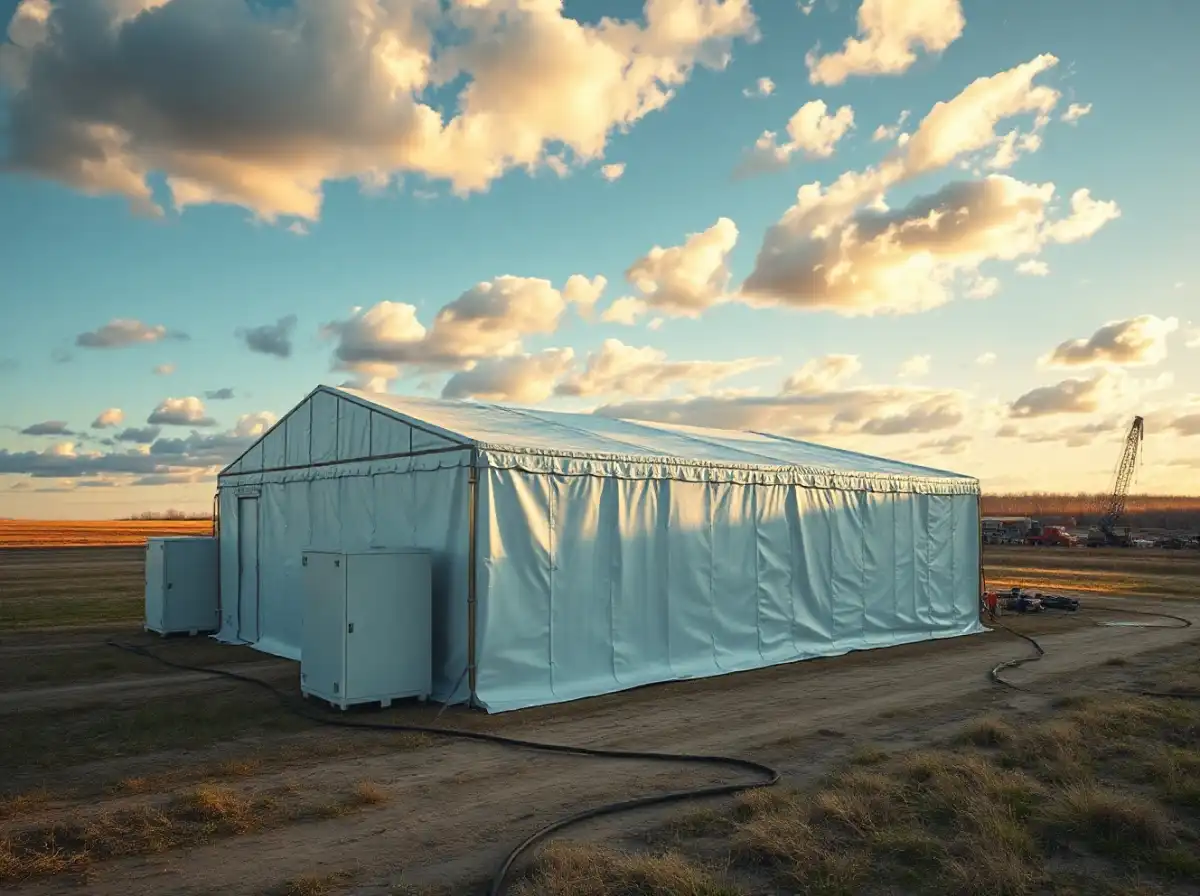
Water use is emerging as one of the most contentious data center issues. Data centers primarily use water to cool server racks, which throw off massive amounts of heat. One popular technique, known as evaporative cooling, uses fresh water to absorb the heat, which is then pumped to cooling towers where it evaporates outside.

Background and Context
Data center operators are struggling to balance their need for cooling with the growing concern over water scarcity. A recent report by Lawrence Berkeley National Laboratory predicted that hyperscale data centers could consume up to 33 billion gallons of water by 2030 if they relied heavily on evaporative cooling. This is a significant concern, as it poses a risk in regions where water is already scarce.
Google's facility in Council Bluffs, Iowa, for instance, which uses evaporative cooling, consumed more than 1 billion gallons in 2024. While using more water can save money and reduce emissions for big tech companies by reducing the power needed for cooling that relies on energy-intensive pumps to recirculate water, it also comes with a large water footprint.
Industry Response
Some tech giants, including Microsoft, OpenAI, and Oracle, have made statements in recent months indicating that they are moving away from evaporative cooling entirely in order to save water. That includes OpenAI and Oracle's massive Stargate expansion in a number of states, including a water-stressed region of Texas.
Google is taking a different approach. On Wednesday, the company rolled out a series of water-related commitments to communities where it has data centers, along with funding announcements for water-related projects in the US. They include pledges to replenish more freshwater than the company consumes, via investments in local water projects; to scale up the use of reclaimed and recycled water; and to disclose annual water use in data centers.
Why It Matters
The growing concern over water scarcity has significant implications for the adult industry. Data center operators must balance their need for cooling with the need to reduce their environmental impact. This requires a nuanced approach that takes into account local water conditions and regulations.
The use of evaporative cooling, while effective in some regions, can have significant drawbacks in areas where water is scarce. The risk of droughts and wildfires only adds to the complexity of the issue. Data center operators must be proactive in addressing these concerns and developing sustainable solutions that meet their needs without compromising local resources.
What Comes Next
The industry's response to the growing concern over water scarcity will be closely watched. As data centers continue to grow, they must do so in a way that is mindful of their environmental impact. This requires innovation and collaboration between tech companies, policymakers, and local communities.
Key Facts
- Data centers are expected to consume an estimated 174 billion gallons of water in 2020.
- A single fracked well can use 1.5 to 16 million gallons of water.
- Hyperscale data centers could consume up to 33 billion gallons of water by 2030 if they relied heavily on evaporative cooling.
- Google's facility in Council Bluffs, Iowa, consumed more than 1 billion gallons in 2024.
- Data center operators are moving away from evaporative cooling to reduce their environmental impact.
The growing concern over water scarcity has significant implications for the adult industry. Data center operators must balance their need for cooling with the need to reduce their environmental impact. This requires a nuanced approach that takes into account local water conditions and regulations.