

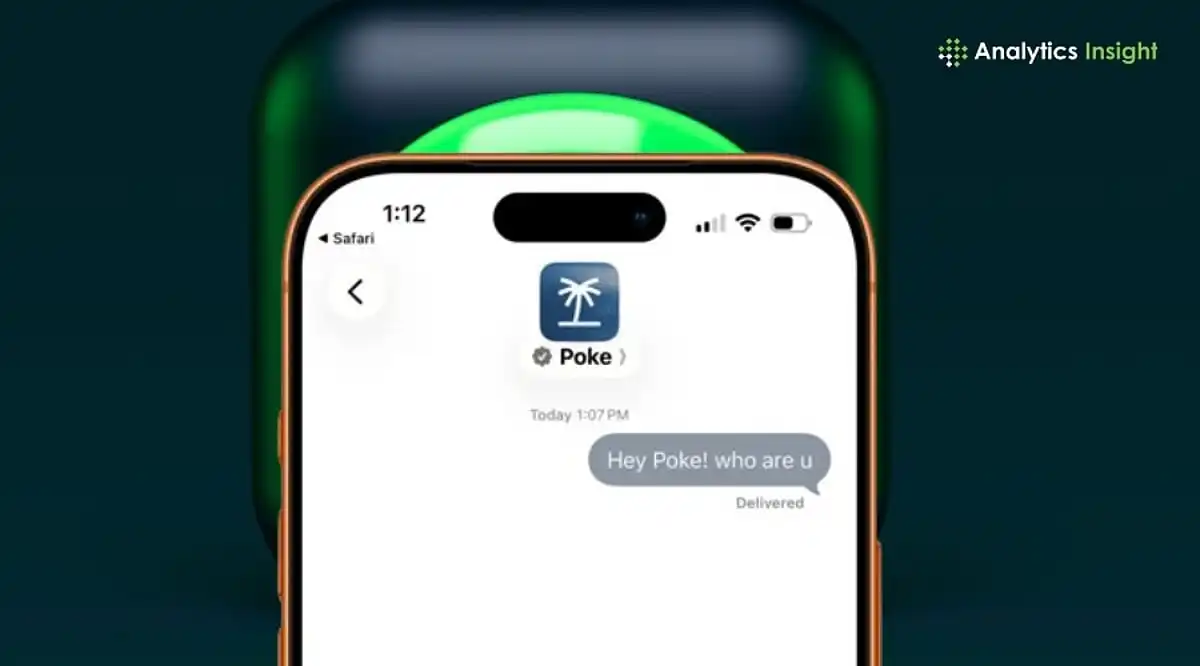
The tech industry has witnessed a significant development with Apple's approval of Poke as the first AI agent on its Messages for Business platform. This move marks a major expansion of Apple's messaging ecosystem and opens up new opportunities for developers building conversational services.
What Happened
Poke, a startup that enables users to interact with AI agents through text messages, has become the first third-party AI agent approved by Apple to run on its Messages for Business platform. This approval allows Poke to integrate directly into iMessage, providing users with access to digital assistance and enabling them to manage schedules, control smart home devices, edit photos, track health goals, and perform other everyday tasks without a dedicated app.
The approval process took several months, during which Apple required Poke to provide access to human support when needed and to comply with its UI design standards and trust mechanisms. Poke's founders stated that the company had to adhere to these standards, which included showing link previews instead of inline links and using Apple's style guide for interface elements.

Background and Context
Poke launched earlier this year and has already processed over 100 million messages across its supported platforms, including SMS, WhatsApp, and Telegram. The company claims that it will pay Apple on a per-user basis, with financial terms not disclosed. This revenue-sharing mechanism opens up new opportunities for developers building conversational services and sets a new standard for the distribution costs of agents in the era of generative AI.
Apple's Messages for Business platform has largely been used by brands to communicate with customers through iMessage. Airlines, retailers, banks, and service providers use the platform to provide support, process bookings, and deliver updates. The approval of Poke marks a significant expansion of this platform, enabling third-party AI agents to integrate directly into iMessage.
Why it Matters
The approval of Poke as the first AI agent on Apple's Messages for Business platform has significant implications for the industry. It opens up new opportunities for developers building conversational services and sets a new standard for the distribution costs of agents in the era of generative AI.
Apple's decision to approve Poke also suggests that the company is opening its messaging infrastructure to a new category of software that relies on conversational interfaces rather than traditional apps. This move could create a new business model for developers building conversational services and provide Apple with another source of recurring revenue as interest in AI-powered tools continues to grow.
What Comes Next
The approval of Poke marks the beginning of a new era for Apple's Messages for Business platform. With the integration of third-party AI agents, users can expect to see more conversational services and digital assistance integrated directly into iMessage.
Poke's founders have stated that they will pay Apple on a per-user basis, which could create a new revenue stream for the company. This move also sets a new standard for the distribution costs of agents in the era of generative AI.
Key Facts
- Poke is the first third-party AI agent approved by Apple to run on its Messages for Business platform.
- The approval process took several months, during which Apple required Poke to provide access to human support when needed and to comply with its UI design standards and trust mechanisms.
- Poke will pay Apple on a per-user basis, with financial terms not disclosed.
- Apple's Messages for Business platform has largely been used by brands to communicate with customers through iMessage.
- The approval of Poke marks a significant expansion of this platform, enabling third-party AI agents to integrate directly into iMessage.
The tech industry is abuzz with the news of Apple's approval of Poke as the first AI agent on its Messages for Business platform. This move marks a major expansion of Apple's messaging ecosystem and opens up new opportunities for developers building conversational services. As the industry continues to evolve, it will be interesting to see how this development impacts the way we interact with technology.