
Social network Bluesky has begun implementing age verification for users accessing the platform from Texas IP addresses, a move that highlights the escalating technical and operational challenges facing online platforms due to state-level age assurance laws. This development follows a federal appeals court lifting an injunction on Texas Senate Bill (SB) 2420, which assigns liability to mobile app stores if minors access explicit content on social networks. For adult industry platforms, these evolving legal landscapes necessitate robust, scalable, and privacy-preserving age verification infrastructure, a complex undertaking with significant implications for user experience, data security, and compliance costs.
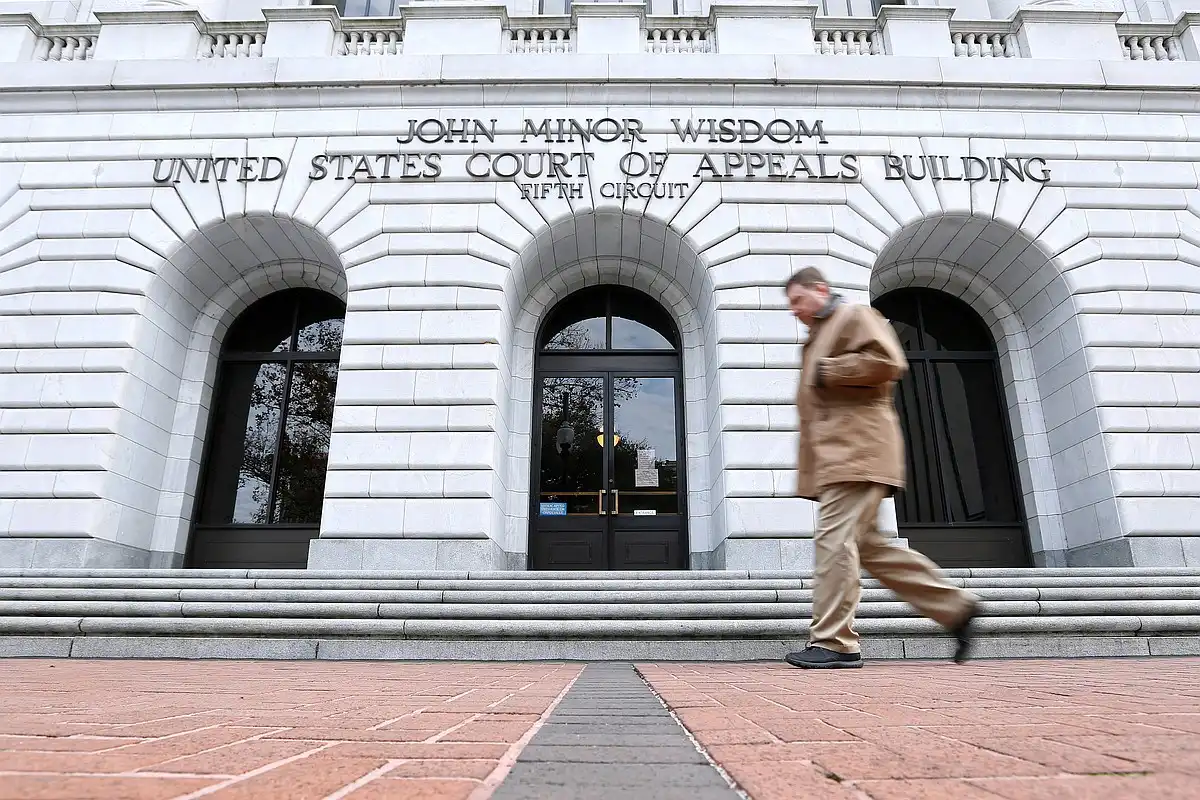
Users in Texas attempting to access Bluesky are now encountering a prompt requiring them to verify their age and identity. The verification process offers several methods: providing the last four digits of a Social Security number, a credit card confirmation via Stripe, or an ID scan utilizing the age verification provider Veriff. This multi-modal approach to age verification reflects the industry's ongoing struggle to balance compliance with user convenience and data privacy. Each method presents distinct technical hurdles, from secure handling of sensitive personal data like Social Security numbers to integrating third-party identity verification services and managing the associated data flows and privacy implications. The Bluesky Safety account confirmed on June 30, 2026, that the platform is "preparing to comply" with the Texas law after the U.S. Fifth Circuit Court of Appeals lifted the stay on enforcing SB 2420 at the end of May 2026.
What Technical Hurdles Does Age Verification Present for Platforms?
Implementing age verification at scale introduces substantial technical and operational overhead. For platforms like Bluesky, which may not have the extensive resources of larger social media companies, integrating and maintaining such systems can be particularly challenging. The requirement to verify age based on IP address geolocation adds another layer of complexity, demanding accurate and up-to-date IP-to-location databases and the ability to dynamically apply verification rules. Furthermore, the choice of verification methods, such as credit card confirmation or ID scanning, necessitates secure API integrations with payment processors like Stripe and specialized age verification providers like Veriff. These integrations must be resilient, handle potential fraud attempts, and comply with various data protection regulations, including those concerning the storage and processing of personally identifiable information (PII).

The technical architecture for age verification must also consider user experience. A cumbersome or unreliable verification process can lead to user frustration and abandonment. Bluesky users in Texas reported encountering an action screen, and some noted that the verification link itself was initially broken, highlighting the immediate challenges in deploying such systems effectively. Ensuring the integrity and availability of these verification pathways is critical. Beyond the initial setup, platforms must also consider ongoing maintenance, updates to verification technologies, and adaptation to new regulatory requirements across different jurisdictions. The dynamic nature of state-level legislation means platforms may need to implement varying age verification protocols depending on a user's geographic location, further complicating the backend logic and data management.
How Do Age Verification Laws Impact Smaller Platforms?
The implementation of age verification laws disproportionately affects smaller online platforms, creating an uneven playing field compared to larger social media giants. Bluesky previously articulated this concern when it temporarily blocked Mississippi IP addresses in August 2025 due to the state's online age verification law. At that time, Bluesky cited the difficulty of implementing an age verification system for a smaller social media company, stating that such laws "entrench existing big tech platforms while stifling the innovation and competition that benefits users." This perspective underscores a fundamental technological challenge: the significant investment required to build, integrate, and maintain the necessary verification systems, parental consent workflows, and compliance infrastructure can be prohibitive for platforms with limited resources.
While Bluesky initially blocked Mississippi users, it later re-enabled access for adults in December 2025, offering a choice for older users to confirm they are at least 18 years old. This decision, however, came with a clear statement that Bluesky would not "track children’s online conduct in detail" or "devote our limited resources to build the verification systems, parental consent workflows, and compliance infrastructure the law requires." This highlights the tension between compliance and resource allocation, particularly for platforms that prioritize user privacy and may resist extensive data collection. The ability to offer a "choice for older users" suggests a technical pivot to a less resource-intensive age attestation or verification method compared to a full-scale, comprehensive age assurance system that would track all users. This approach, while potentially mitigating some compliance burdens, still requires a robust technical framework to differentiate and gate access based on age confirmation.
What Are the Broader Implications for Adult Industry Platforms?
The situation with Bluesky in Texas serves as a critical case study for adult industry platforms, which inherently navigate stringent age verification requirements. The adult industry has long grappled with the complexities of age gating, privacy, and cybersecurity, and these new state-level mandates add layers of legal and technical pressure. For streaming and webcam infrastructure, servers, and platforms, the need for reliable, low-latency age verification is paramount. Any friction in the verification process can directly impact user engagement and revenue streams. The methods Bluesky is employing—SSN digits, credit card confirmation, or ID scans—are common in the adult industry, but their mandatory application across a general social network underscores the increasing ubiquity of these technologies.
The ongoing legal battles, such as the petitions filed by Students Engaged in Advancing Texas (SEAT) and the Computer and Communications Industry Association (CCIA) to the U.S. Supreme Court regarding SB 2420, indicate that the regulatory landscape for age verification is far from settled. This legal uncertainty creates a challenging environment for platform operators, who must invest in flexible and adaptable technical solutions. The "deja vu" felt by plaintiffs in these lawsuits, who are once more fighting age verification at the Supreme Court, suggests a persistent legislative push for these measures. For adult industry developers and engineers, this means continuously evaluating and upgrading age verification technologies, ensuring compliance with evolving privacy regulations, and safeguarding against potential data breaches associated with handling sensitive user information. The technical challenges extend beyond initial implementation to include ongoing data security, fraud prevention, and maintaining user trust in an increasingly regulated digital environment.