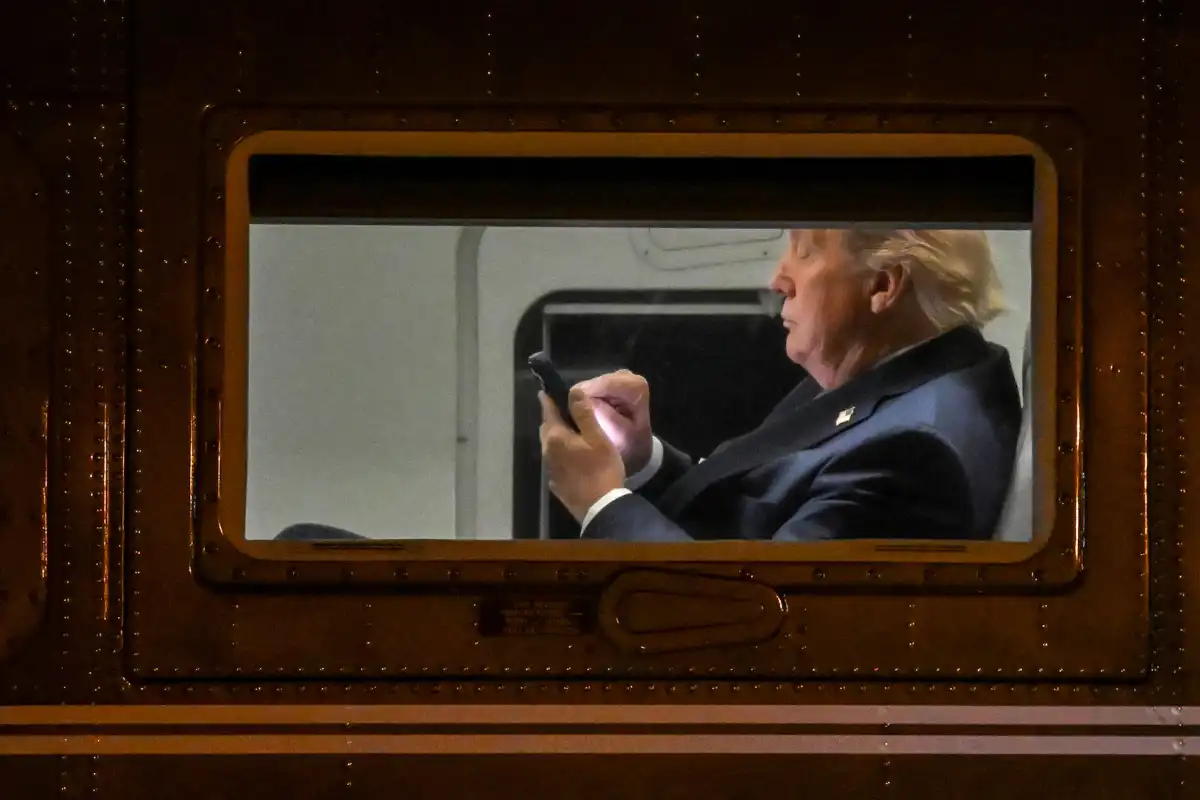
The White House has been embracing and utilizing artificial intelligence (AI) in its social media communication, a trend that has been particularly evident during President Donald Trump's second term. According to an analysis by PolitiFact, Trump's Truth Social account has used AI-generated images and videos in 36 posts since his inauguration, with many of these posts promoting or sensationalizing Trump's image and that of his administration.
These AI-generated posts have been used to rally Trump's base and distract the public from other topics. The White House X account, which has 2.9 million followers, has also made at least 14 posts involving AI since the start of Trump's second term. Experts say that this lack of concern for AI regulation matches President Trump's general approach to AI – hands-off and anti-regulation.
Background and Context
Trump has been a long-time proponent of AI, often using it to create sensationalized images of himself as godly, powerful or tough. His openness in sharing AI posts is a presidential novelty, but it tracks with how he approaches this technology. In his first term, he became the first president to issue an executive order on AI, establishing in 2019 a federal strategy for AI research and development.

In his second term, Trump reversed his predecessor's efforts to build guardrails around AI development and instead emphasized rapid advancement and U.S. dominance. This approach has been met with criticism from experts who argue that voluntary compliance is insufficient and that stronger oversight is needed to prevent the misuse of AI.
Why it Matters to the Industry
The White House's use of AI in social media communication raises important questions about the role of technology in shaping public discourse. As the adult industry continues to grapple with issues related to moderation, age-gating, and fraud, the use of AI by government officials highlights the need for greater transparency and accountability.
Furthermore, the White House's approach to AI regulation has implications for the broader tech industry. The lack of concern for AI regulation matches President Trump's general approach to technology – hands-off and anti-regulation. This raises concerns about the potential for AI to be used in ways that are detrimental to society, such as spreading misinformation or perpetuating hate speech.
What Comes Next
The use of AI by government officials is a trend that is likely to continue in the future. As AI technology continues to evolve and improve, it is likely that we will see even more sophisticated uses of AI in social media communication. This raises important questions about the role of technology in shaping public discourse and the need for greater transparency and accountability.
Experts say that the White House's approach to AI regulation is a concern because it lacks any real oversight or regulation. This lack of concern for AI regulation matches President Trump's general approach to technology – hands-off and anti-regulation. This raises concerns about the potential for AI to be used in ways that are detrimental to society, such as spreading misinformation or perpetuating hate speech.
Key Facts
- The White House has used AI-generated images and videos in 36 posts since Trump's inauguration.
- Many of these posts have promoted or sensationalized Trump's image and that of his administration.
- The White House X account, which has 2.9 million followers, has made at least 14 posts involving AI since the start of Trump's second term.
- Experts say that this lack of concern for AI regulation matches President Trump's general approach to AI – hands-off and anti-regulation.
- The White House's approach to AI regulation has implications for the broader tech industry, raising concerns about the potential for AI to be used in ways that are detrimental to society.