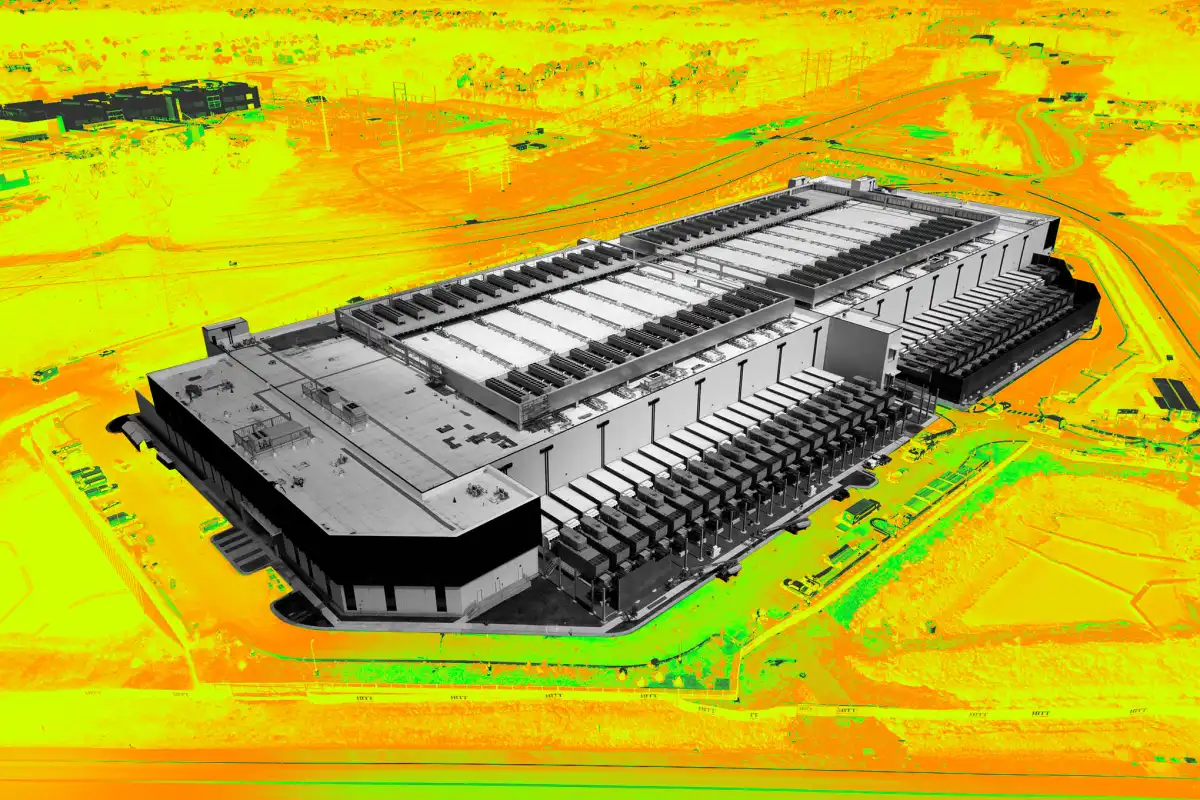

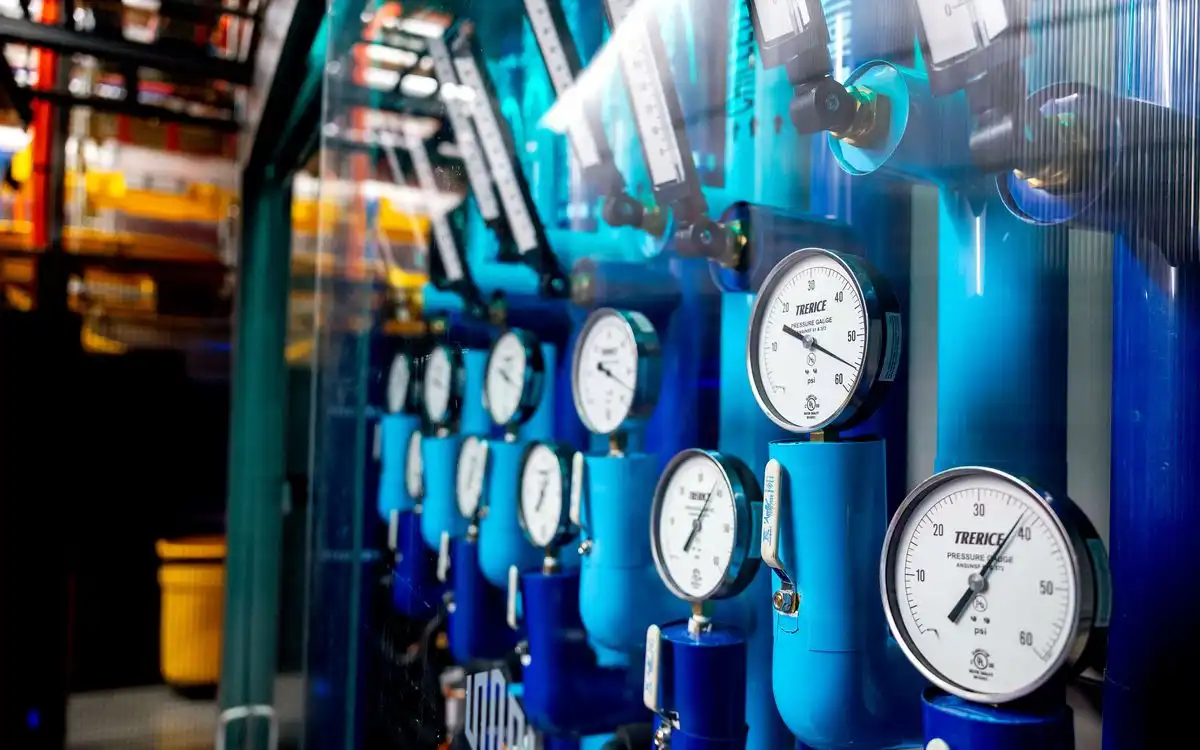
Data centers supporting artificial intelligence (AI) and other applications are often criticized for their water consumption, but a closer look at the numbers reveals that their impact is relatively modest compared to other uses. According to recent reports, major tech companies like Amazon, Google, and Meta use significantly less water than previously thought, with some estimates suggesting that data centers consume only 0.3% of the total public water supply in the contiguous United States.
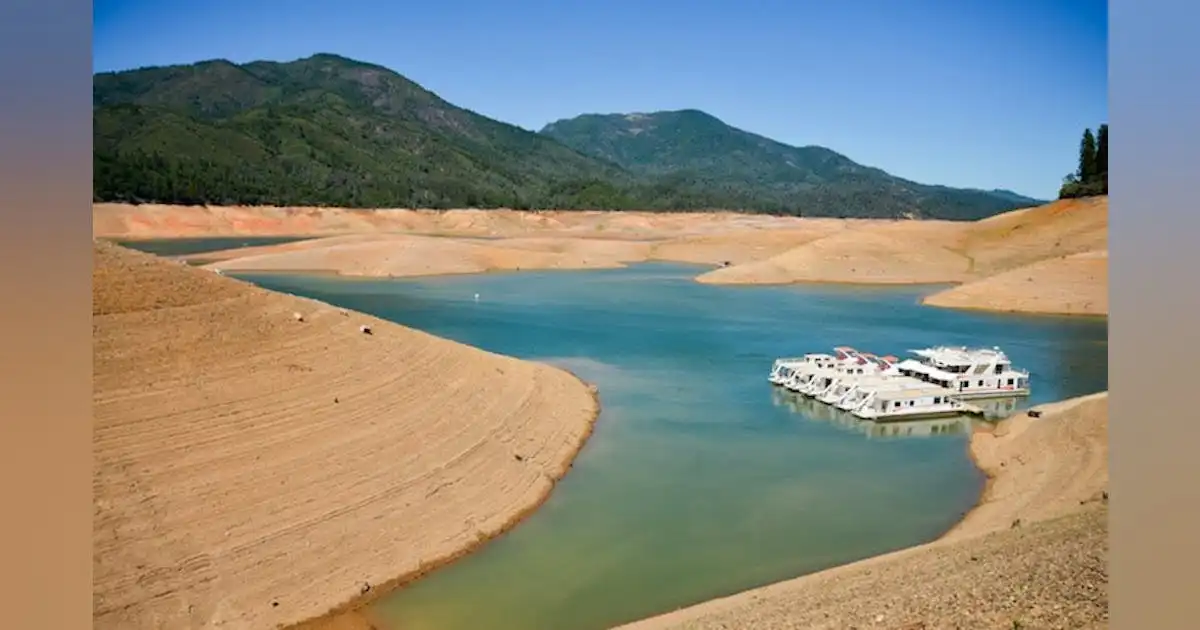
However, while the overall numbers may be reassuring, the issue is not just about the absolute amount of water used but also its timing and location. Data centers can have a significant impact on local water resources, particularly in areas where they are concentrated or where water is already scarce. In some regions, data centers' water demand spikes during hot summer months when residents and businesses need water most, putting additional strain on local infrastructure.
What's Happening
Data centers have become increasingly important for supporting AI applications, which require vast amounts of computing power to process large amounts of data. To keep servers from overheating, many facilities rely on cooling systems that use water, either directly or indirectly through the electricity generation needed to power their operations. While some data centers are exploring alternative cooling methods, such as direct-to-chip cooling and immersion cooling, these technologies are still in the early stages of development.

According to a recent report by Lawrence Berkeley National Laboratory, the 2023 direct water consumption by data centers in the United States is estimated at roughly 17.5 billion gallons. Assuming a 50% consumption ratio, that means 35 billion gallons of water withdrawal, or about 0.3% of the total public water supply for the contiguous United States. The same report projects that the U.S. data center direct water consumption could double or even quadruple the 2023 level by 2028.
Background and Context
Data centers have been part of our built landscape for over a decade, quietly processing our web searches and storing our cellphone photos. However, with the rise of AI applications, data centers are becoming increasingly important for supporting these complex systems. According to scientists at the University of California, Riverside, each 100-word AI prompt is estimated to use roughly one bottle of water (or 519 milliliters). This may not sound like much, but billions of AI users worldwide enter prompts into systems like ChatGPT every minute.
While data centers are often criticized for their energy consumption and carbon emissions, the issue of water usage has received less attention. However, with the growing demand for AI applications, data centers' water use is becoming a more pressing concern. According to a report by the Lincoln Institute of Land Policy, data centers have been part of our built landscape for over a decade, but their impact on local water resources is only now being fully understood.
Why It Matters
The issue of data centers' water consumption matters not just for environmental reasons but also for economic and social ones. In some regions, data centers' water demand spikes during hot summer months when residents and businesses need water most, putting additional strain on local infrastructure. This can lead to water rationing, increased costs for residents and businesses, and even job losses in industries that rely heavily on water.
Furthermore, the issue of data centers' water consumption highlights the need for more sustainable and efficient cooling methods. While some data centers are exploring alternative cooling methods, such as direct-to-chip cooling and immersion cooling, these technologies are still in the early stages of development. The industry needs to invest in research and development to find more efficient and sustainable cooling solutions that can reduce water consumption without compromising performance.
What Comes Next
The issue of data centers' water consumption is a complex one that requires a multifaceted approach. While the overall numbers may be reassuring, the impact on local water resources cannot be ignored. Data center operators need to take steps to reduce their water consumption, such as investing in more efficient cooling systems and exploring alternative cooling methods.
The industry also needs to invest in research and development to find more sustainable and efficient cooling solutions that can reduce water consumption without compromising performance. This will require collaboration between data center operators, technology companies, and policymakers to develop and implement effective solutions.
Key Facts
- Data centers consume only 0.3% of the total public water supply in the contiguous United States.
- The 2023 direct water consumption by data centers in the United States is estimated at roughly 17.5 billion gallons.
- Assuming a 50% consumption ratio, that means 35 billion gallons of water withdrawal.
- Data center direct water consumption could double or even quadruple the 2023 level by 2028.
- About two-thirds of U.S. data centers built since 2022 are in high water-stress areas.