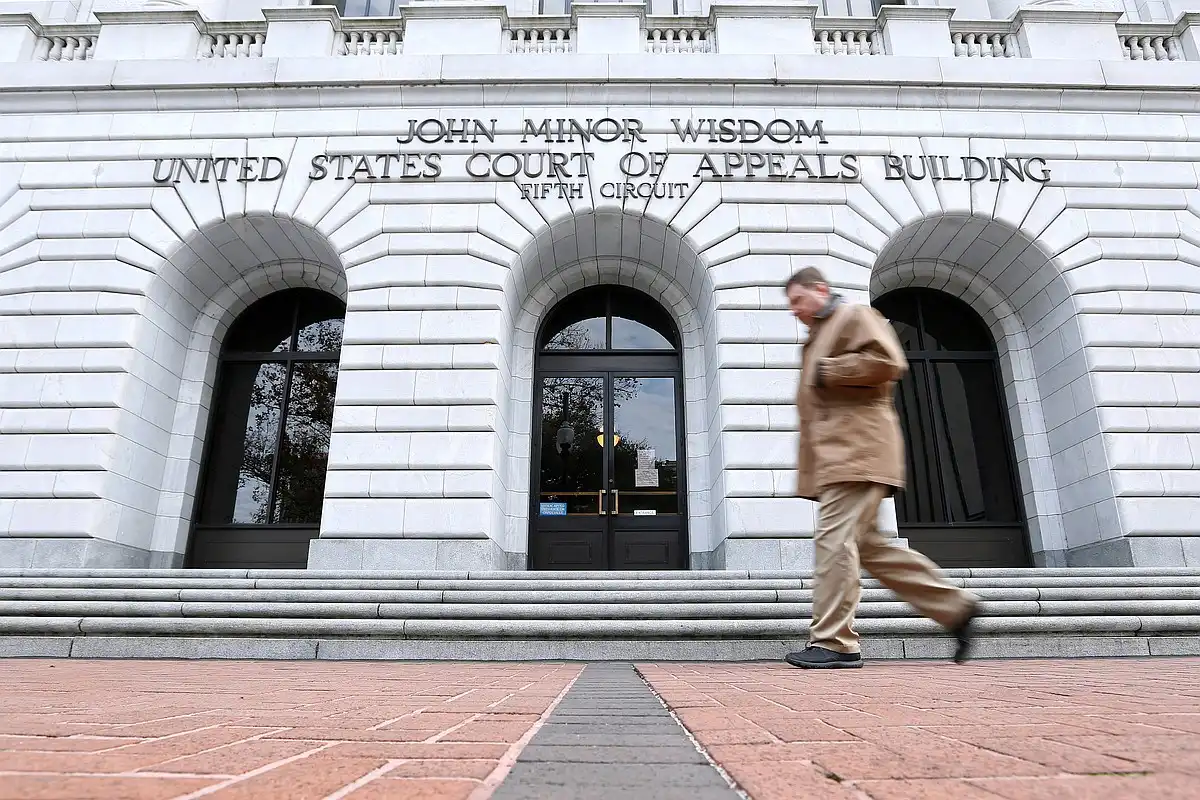
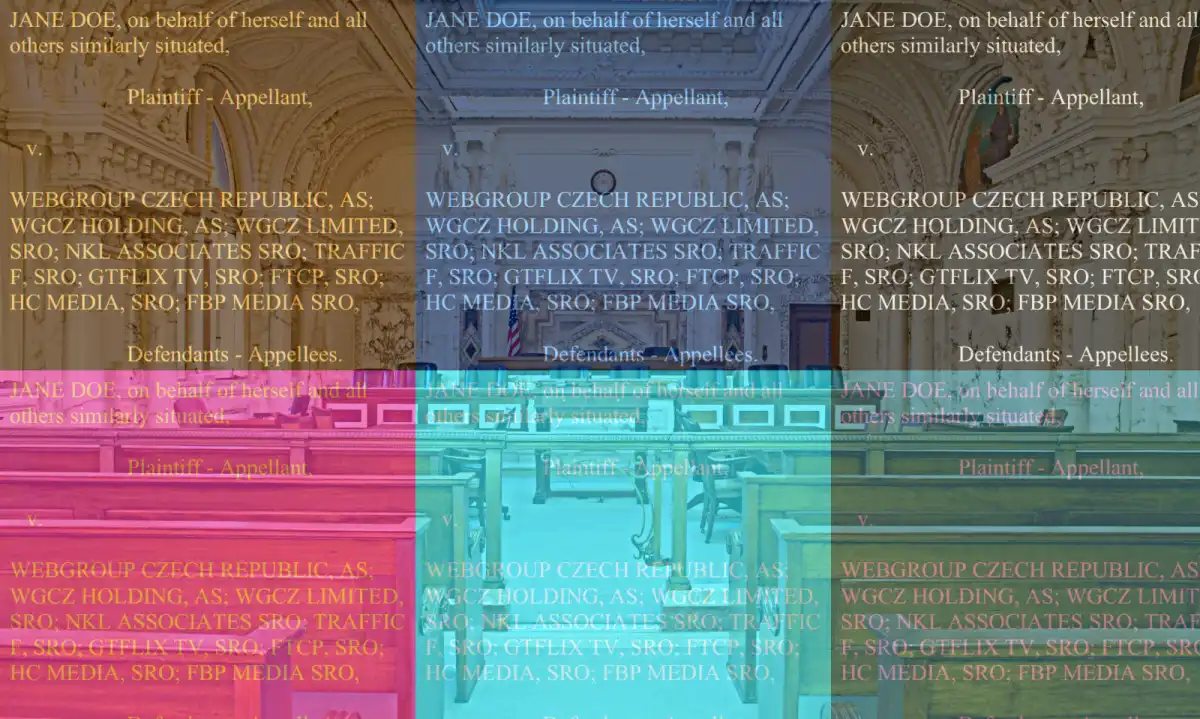
SAN FRANCISCO – The U.S. Ninth Circuit Court of Appeals has affirmed Section 230 immunity for WebGroup Czech Republic, parent company of adult platforms XVideos and XNXX, in a lawsuit alleging the hosting of child sexual abuse material (CSAM). This ruling, issued last week, overturns a previous district court decision from 2024 that had allowed the case to proceed, and delivers a significant appellate victory for platforms hosting user-generated content, particularly within the adult industry.
The decision, dated August 12, found that the plaintiff, identified as Jane Doe, failed to adequately demonstrate that WebGroup Czech Republic engaged in knowing participation in a sex-trafficking venture, which would be necessary to invoke the Fight Online Sex Trafficking Act (FOSTA) exception to Section 230. For platform operators in the adult industry, this outcome reinforces the broad protections offered by Section 230, particularly concerning liability for third-party content, and sets a precedent for how the FOSTA exception will be interpreted in future litigation.
How Section 230 Immunity Protects User-Generated Content Platforms
Section 230 of the Communications Decency Act of 1996 is a foundational law for internet businesses, often referred to as the "First Amendment of the internet." It generally shields providers of "interactive computer services" from being treated as the publisher or speaker of information supplied by another content provider. This distinction is critical for platforms that rely on user-generated content, as it allows them to host a vast array of material without being held legally responsible for every piece of content uploaded by third parties.

For adult industry platforms, which frequently host user-generated content, Section 230's immunity provisions are central to their operational models. The law encourages self-regulation and content moderation by allowing platforms to remove objectionable material without fear of being sued for editing or curating content. Without these protections, platforms could face immense legal exposure, potentially leading to widespread censorship or the inability to host third-party content at scale.
The FOSTA Exception and Its Narrow Interpretation
The Fight Online Sex Trafficking Act (FOSTA), enacted in 2018, created a specific carve-out to Section 230's broad protections. This law permits civil lawsuits and criminal charges against web platforms that host content promoting prostitution or sex trafficking, with the intent to allow victims to bring claims against platforms that aided in their trafficking. FOSTA was a response to sex trafficking claims against Backpage.com and the belief that Section 230 insulated such sites from liability.
In the Jane Doe case against WebGroup Czech Republic, the plaintiff sought to apply this FOSTA exception. The lawsuit, initially filed in March 2021 by the National Center on Sexual Exploitation (NCOSE) and co-counsel, alleged that WebGroup knowingly hosted and profited from CSAM depicting Jane Doe, who was reportedly trafficked and sold for sex as a minor. At least four videos depicting Doe's abuse were allegedly hosted on WebGroup-owned platforms, including XVideos, via a "content partner" account.
However, the Ninth Circuit panel ruled that for the FOSTA exception to apply, WebGroup "must knowingly benefit from and knowingly assist, support, or facilitate sex trafficking activities," which "requires actual knowledge and a causal relationship between affirmative conduct furthering the sex-trafficking venture and receipt of a benefit." The court found that Doe's allegations did not sufficiently establish this standard. While Doe alleged "profit-sharing relationships [with] sex traffickers," the court noted that Doe did not allege that the channel partner "recruit[ed], entice[d], harbor[ed], transport[ed], provide[d], obtain[ed], advertise[d], maintain[ed], patronize[d], or solicit[ed]" her "to engage in a commercial sex act," as defined in the statute. Furthermore, the court found that Doe did not adequately plead WebGroup’s knowledge of her sex trafficking, despite allegations that she "reached out to XVideos and XNXX multiple times over the years, beginning in at least 2017, requesting her abuse videos be removed."
Implications for Adult Industry Platform Operators
This ruling has significant implications for adult industry platform operators, particularly those managing large-scale streaming and webcam infrastructure, or platforms hosting user-generated content. The Ninth Circuit's narrow interpretation of the FOSTA exception means that merely hosting third-party content, even if that content is later found to be unlawful, may not be enough to strip a platform of its Section 230 immunity. Instead, plaintiffs must demonstrate "actual knowledge" and "affirmative participation in a specific sex-trafficking venture" by the platform.
Corey Silverstein, a First Amendment attorney specializing in adult industry clientele, expressed satisfaction with the decision, stating that the court "correctly applied established Section 230 precedent, recognizing that neutral platform functions do not make a website the creator or developer of unlawful third-party content." He further noted that the court "confirmed that FOSTA’s exception requires plausible allegations of actual knowledge and affirmative participation in a specific sex-trafficking venture—not conclusory labels or generalized notice."
For developers and engineers, this ruling underscores the importance of robust content moderation systems that can respond to user reports, but it also clarifies the legal bar for liability. Platforms are not expected to proactively monitor every piece of content for potential trafficking links without specific, actionable knowledge. This could influence how platforms design their reporting mechanisms, content review processes, and partnerships with third-party content providers, ensuring they align with the legal definitions of "actual knowledge" and "affirmative participation" as interpreted by the courts.
Navigating Content Moderation and Legal Liability
The ongoing debate around Section 230 and FOSTA highlights the complex challenges faced by technology platforms in balancing free speech, user-generated content, and the prevention of illegal activities. While FOSTA was intended to combat sex trafficking, its broad nature has been criticized by some as forcing consensual commercial sex work offline and into less safe environments. The law has also been labeled as overly broad, despite affirmations of its constitutional nature.
This Ninth Circuit decision follows other rulings, such as Doe v. Reddit and Doe v. Grindr, which have generally found FOSTA claims to be preempted by Section 230. However, other cases, such as a 2025 Ninth Circuit ruling in Doe v. Twitter, have found new ways to undermine Section 230, particularly concerning claims of negligence per se and product-liability theories based on defective reporting-infrastructure design. These cases illustrate the evolving legal landscape for online platforms and the continuous need for adult industry operators to adapt their technological and policy frameworks.
Ultimately, this ruling provides a degree of clarity for adult industry platforms regarding their liability for third-party content under FOSTA. It emphasizes that while the underlying allegations of abuse are serious, legal liability must be determined according to the specific facts pleaded and the requirements enacted by Congress. Platform operators must continue to invest in sophisticated content moderation tools, robust reporting mechanisms, and legal counsel to navigate the intricate interplay between Section 230, FOSTA, and other relevant statutes.