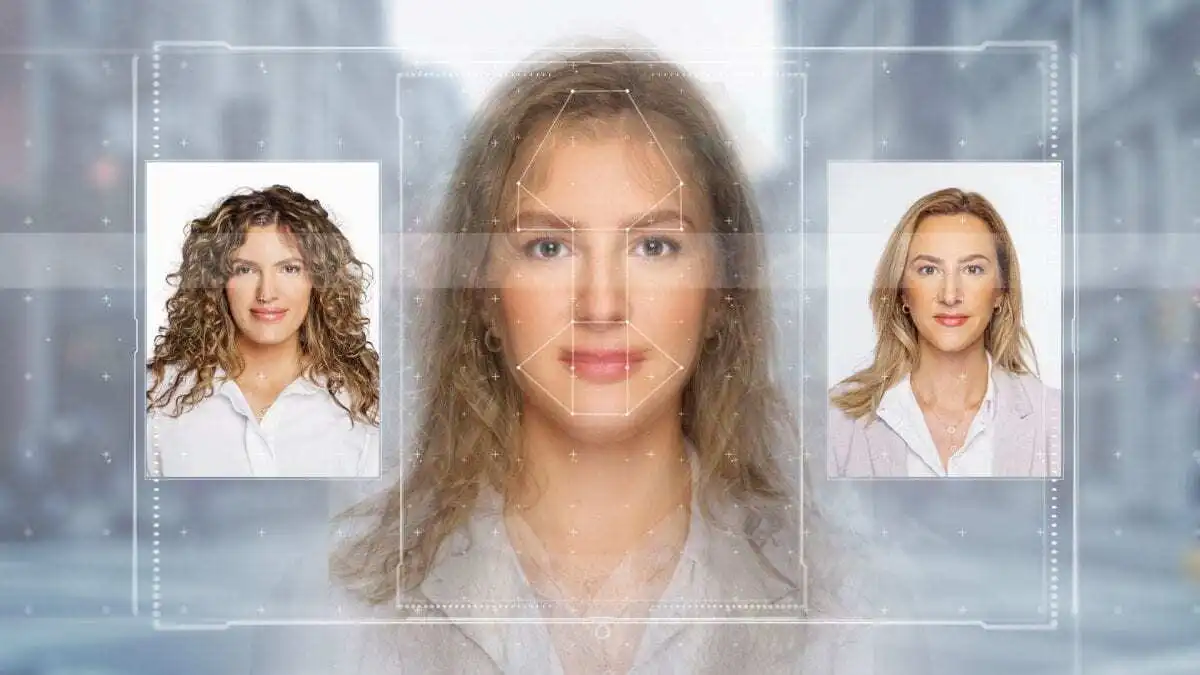
Meta has deactivated a recently launched Instagram feature that enabled users to generate AI-synthesized images, often referred to as deepfakes, based on content from public accounts. The decision, announced on July 10, 2026, follows significant backlash regarding privacy concerns and the unauthorized use of personal data for AI generation, highlighting the ongoing tension between generative AI ambitions and user consent in social media ecosystems. For adult industry platforms, this incident underscores the critical importance of explicit consent frameworks and robust privacy controls when integrating AI-powered content generation tools, especially given the heightened scrutiny and regulatory landscape surrounding digital identity and likeness in this sector.
The controversial capability, part of Meta's new Muse Image AI model, allowed users to create AI images simply by @-mentioning public Instagram accounts. This mechanism meant that content from any public Instagram profile could be used as source material for AI creations without the account owner's explicit permission. Meta's intent was to provide a creative tool for generating custom event invitations, collaborative concepts, or personalized graphics. However, the "opt-out by default" nature of the feature, which required users to navigate deep into their settings to disable an option labeled "Allow people to create with and reuse your content" or set their profiles to private, quickly drew widespread criticism.
What Were the Technical Mechanics of the Feature?
The core functionality of the now-disabled Instagram feature revolved around a direct integration between the social platform and Meta's Muse Image AI model. When a user @-mentioned a public Instagram account, the AI system was designed to access and analyze the visual content associated with that public profile. This analysis would then serve as the basis for generating new, artificial imagery, effectively creating AI deepfakes that replicated or referenced the likeness and visual elements from the original public posts. The system's design allowed for this process to occur without any explicit, real-time consent prompt or approval mechanism from the owner of the referenced public account.

From an engineering perspective, this integration represented an attempt to seamlessly embed generative AI capabilities directly into a widely used social media interface. The simplicity of the tagging mechanism aimed to lower the barrier to entry for AI image generation, making it accessible to a broad user base. However, this ease of use came at the cost of a comprehensive consent framework. The underlying AI model would have processed and learned from publicly available image data, and the tagging function acted as a direct trigger for the model to apply its generative capabilities using that specific public content. The rapid deactivation suggests that the technical implementation, while functional, failed to adequately address the ethical and privacy implications of such a powerful tool operating on user-generated content without explicit permission.
Why Did the Consent Gap Provoke Such Strong Backlash?
The primary catalyst for the feature's removal was the significant "consent gap" inherent in its design. The original configuration allowed for the utilization of an individual's likeness and content for AI generation without their knowledge or approval. This "opt-out by default" approach, rather than a "permission-based control," sparked intense criticism from users and various organizations. Critics argued that the feature essentially weaponized public data, enabling the unauthorized creation of deepfakes and raising substantial ethical and privacy concerns regarding digital identity and ownership. For adult industry platforms, where issues of consent, likeness, and digital rights are paramount, this case serves as a stark warning about the potential for reputational damage and legal challenges stemming from inadequate consent mechanisms in AI applications.
The backlash extended beyond individual users. Haley McNamara, executive director and chief strategy officer of the National Center on Sexual Exploitation, stated that the feature "erodes our rights to our own likeness" and is an "obvious tool for #sextortion and other scammers." This highlights the potential for misuse, particularly in contexts where sensitive or intimate content might be involved. Additionally, Hollywood talent agency CAA, representing clients like Tom Hanks and Meryl Streep, reportedly raised concerns directly with Meta, emphasizing that "No one's name, image, likeness, voice or creative work should be used by any third party, including AI models, without clear, documented consent." The American labor union SAG-AFTRA also encouraged its members to opt out. These reactions underscore a growing industry-wide demand for explicit, documented consent when AI models interact with personal data and likeness, a requirement that adult industry platforms must rigorously uphold to maintain trust and comply with evolving standards.
What Are the Implications for Adult Industry AI Development?
Meta's swift reversal provides a critical case study for the broader AI industry, particularly for developers and platform operators in the adult content space who are integrating generative tools into their ecosystems. The incident highlights the inherent risks associated with deploying powerful AI capabilities that interact with user-generated content without robust, explicit consent frameworks. For adult industry platforms, where the creation and distribution of content involving human likeness are central, the implications are particularly acute. The unauthorized generation of deepfakes, even from public content, can lead to severe privacy violations, reputational damage, and legal liabilities, especially given the sensitive nature of the content involved.
This event reinforces the necessity for adult industry platforms to prioritize privacy-by-design principles in their AI development. Any AI feature that processes or generates content based on user likeness must incorporate clear, documented consent mechanisms that are easily understandable and actionable for users. An "opt-in" model, where users explicitly grant permission for their content to be used by AI, is likely to become the de facto standard to mitigate risks. Furthermore, platforms must consider the potential for misuse, such as the generation of non-consensual intimate imagery (NCII) or sextortion, and implement safeguards to detect and prevent such abuses. The technical challenges involve not only developing sophisticated AI models but also engineering robust ethical guardrails, transparent data governance policies, and user-friendly control panels that empower individuals to manage their digital identity and content usage effectively within AI-driven environments.