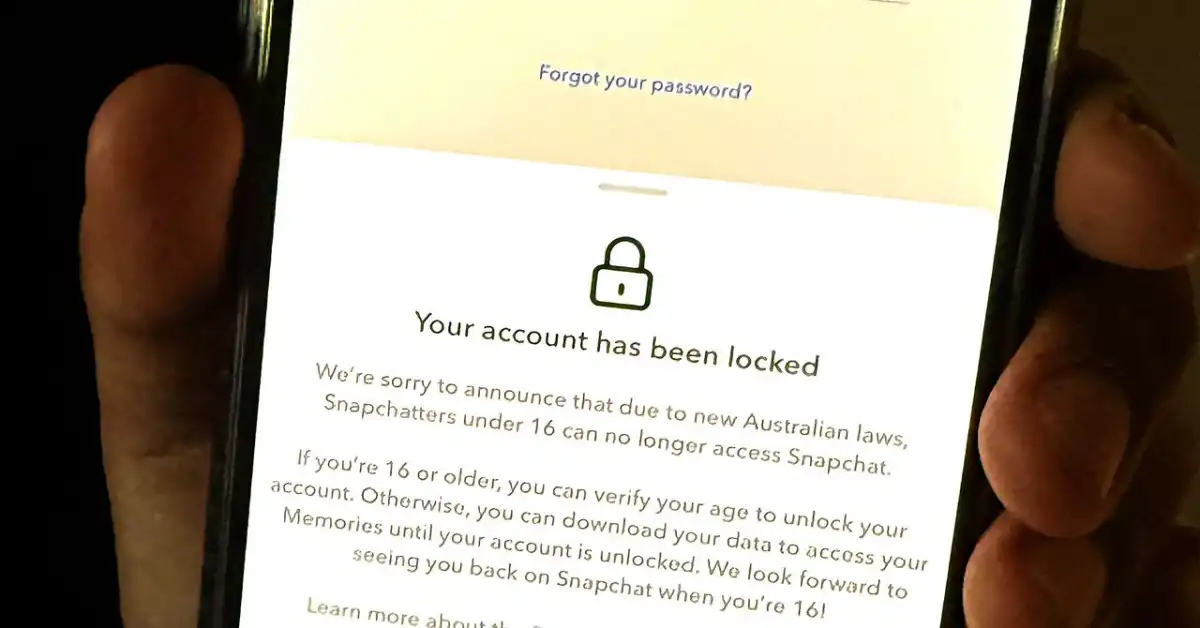

Apple has introduced a new feature called "age assurance" that allows parents to share their child's age with app developers without exposing sensitive information, as lawmakers debate age-verification laws for social media and apps. The move comes as several US states are considering legislation that would require app store operators like Apple and Google to check the ages of users.
The conflict in the tech industry over who should be responsible for checking ages for users under 18 has been ongoing, with Meta arguing in favor of legislation requiring app stores to verify a child's age when they download an app. Apple, however, does not want to collect sensitive data for age verifications and is instead introducing its "age assurance" technology as an alternative.
What Happened
Apple announced the new feature on Thursday, which allows parents to input their child's age when setting up a child's account. The parent can then choose to allow the child to share a "declared age range" with third-party app developers, rather than an exact birthday or other identifying information. This protects privacy by keeping parents in control of their kids' sensitive personal information, while minimizing the amount of information that is shared with third parties.

Apple's existing controls already require parental approval for children to download an app, but this new feature takes it a step further by giving parents more control over how much information is shared with developers. The company wrote in a whitepaper on its website that "while only a fraction of apps on the App Store may require age verification, all users would have to hand over their sensitive personally identifying information to us - regardless of whether they actually want to use one of these limited set of apps."
Background and Context
The debate over who should be responsible for checking ages for users under 18 has been ongoing in the tech industry. Several US states, including Utah and South Carolina, are currently debating laws that would require app store operators to check the ages of users. Meta has long argued in favor of legislation requiring app stores to verify a child's age when they download an app.
Apple's move comes as lawmakers consider age-verification laws for social media and apps. The company is trying to avoid collecting sensitive data for age verifications, which would require it to store and process personal information from users under 18. This has raised concerns about privacy and data protection.
Why It Matters to the Industry
The introduction of Apple's "age assurance" technology has significant implications for the adult industry. Age verification is a critical aspect of ensuring that users are above the age of consent, and it also helps to prevent minors from accessing explicit content. The industry relies heavily on robust age-verification systems to comply with regulations and protect its users.
The conflict in the tech industry over who should be responsible for checking ages for users under 18 has been ongoing, but Apple's move is a significant development that could have far-reaching consequences for the adult industry. If other app store operators follow suit, it could lead to a shift in how age verification is handled across the board.
What Comes Next
The introduction of Apple's "age assurance" technology has sparked a debate about who should be responsible for checking ages for users under 18. The conflict between app store operators and lawmakers will likely continue, with several US states considering legislation that would require app stores to check the ages of users.
Meta has welcomed Apple's move as a "positive first step" but has also emphasized the need for more comprehensive age-verification laws. The company believes that parents should have the final say over the apps their teens use, and it supports legislation requiring app stores to verify a child's age and get parental approval before they download an app.
Key Facts
- Apple has introduced a new feature called "age assurance" that allows parents to share their child's age with app developers without exposing sensitive information.
- The move comes as several US states are considering legislation that would require app store operators like Apple and Google to check the ages of users.
- Apple does not want to collect sensitive data for age verifications and is instead introducing its "age assurance" technology as an alternative.
- The company's existing controls already require parental approval for children to download an app, but this new feature takes it a step further by giving parents more control over how much information is shared with developers.
- Several US states, including Utah and South Carolina, are currently debating laws that would require app store operators to check the ages of users.