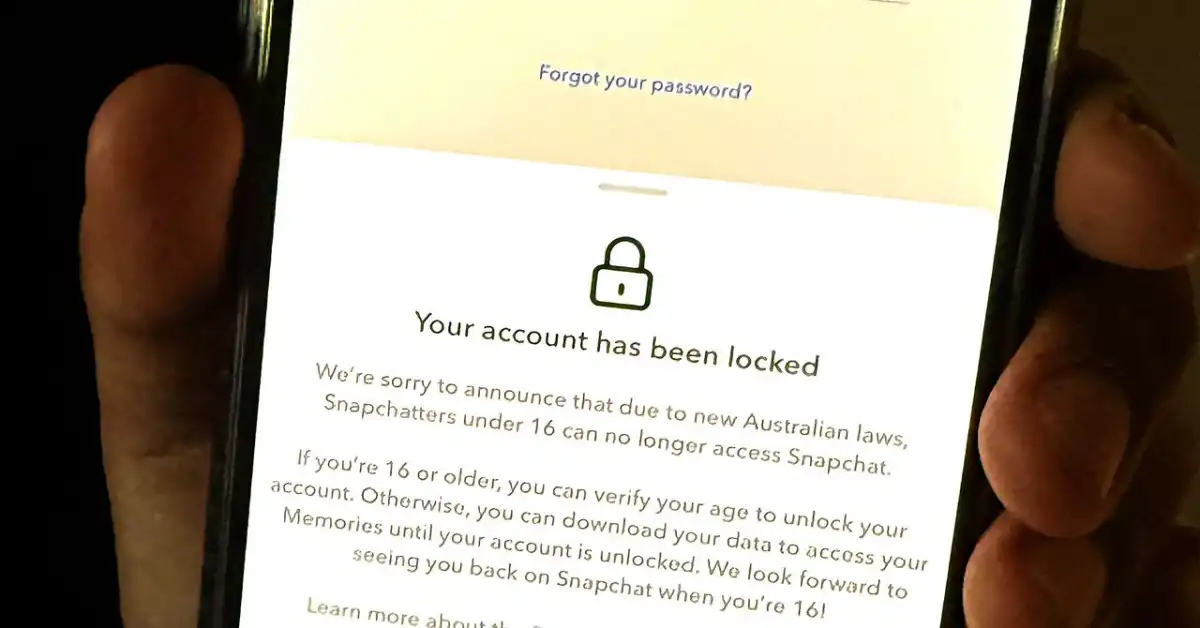
The technology landscape for age assurance has undergone significant changes in recent months, driven by regulatory pressure and a shift towards more robust and privacy-friendly methods. Apple has introduced new frameworks and features to help developers comply with regional age assurance laws, while industry experts are calling for a move away from traditional "click here if you're over 18" checkboxes.
What's Changing
The distinction between age verification and age assurance is becoming increasingly important. Age verification implies a binary determination: the user is above a specific age threshold or they are not. In contrast, age assurance encompasses a broader range of approaches through which an organization forms a reasonable belief about a user's age or age group for regulatory compliance purposes.
Apple has introduced several new frameworks and features to support age assurance, including the Declared Age Range API, PermissionKit, and significant app update notifications. These tools enable developers to create more robust and privacy-friendly age assurance implementations, while also providing greater flexibility and adaptability in response to changing regulatory requirements.

Background and Context
The need for more effective age assurance methods has been driven by a growing recognition of the risks associated with online content and interactions. Governments worldwide are introducing new regulations and laws aimed at protecting children from harm, while also balancing user privacy and constitutional rights.
A landmark international standard on age assurance was published in September 2023, outlining best practices for organizations to follow when implementing age assurance measures. The standard emphasizes the importance of proportionality, transparency, and user consent in age assurance implementations.
Why it Matters to the Industry
The shift towards more robust and privacy-friendly age assurance methods has significant implications for the adult industry. As regulatory pressure continues to grow, organizations will need to adapt their age assurance implementations to meet changing requirements.
The use of traditional "click here if you're over 18" checkboxes is no longer sufficient, as regulators increasingly reject self-declaration methods and demand more effective age assurance measures. Implementing age assurance correctly has become essential for sustaining viable business operations in an increasingly regulated digital environment.
What Comes Next
The future of age assurance will be shaped by ongoing regulatory developments, technological advancements, and industry best practices. Organizations will need to stay up-to-date with changing requirements and adapt their implementations accordingly.
The European Union's Better Internet for Kids+ (BIK+) strategy is driving the development of new age assurance tools and resources, including a family-friendly age assurance toolkit and a report on age assurance typologies and requirements.
Key Facts
- Apple has introduced several new frameworks and features to support age assurance, including the Declared Age Range API and PermissionKit.
- The distinction between age verification and age assurance is becoming increasingly important in regulatory compliance.
- A landmark international standard on age assurance was published in September 2023, outlining best practices for organizations to follow when implementing age assurance measures.
- Regulators are increasingly rejecting self-declaration methods and demanding more effective age assurance measures.
- The European Union's Better Internet for Kids+ (BIK+) strategy is driving the development of new age assurance tools and resources.
In conclusion, the technology landscape for age assurance is undergoing significant changes driven by regulatory pressure and a shift towards more robust and privacy-friendly methods. Organizations will need to adapt their implementations to meet changing requirements and stay up-to-date with ongoing developments in this field.