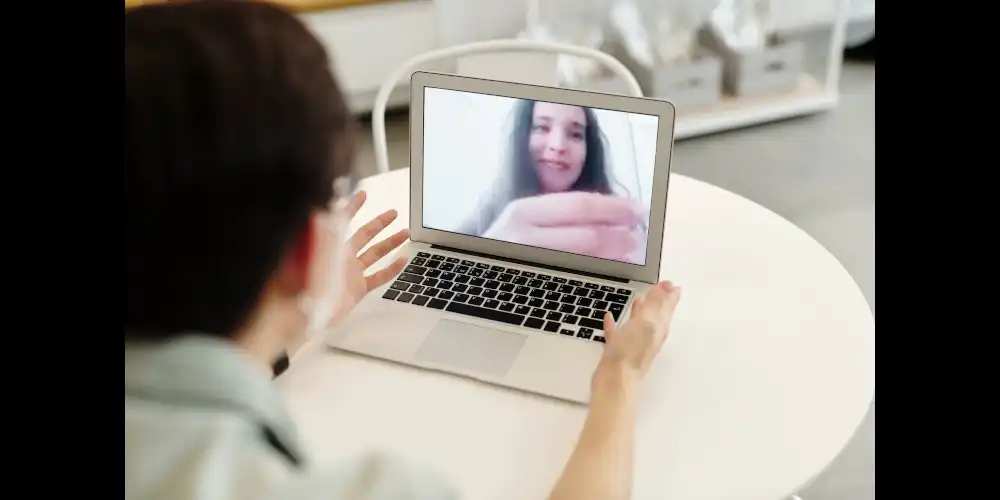


Google has introduced a new hand-gesture verification system for reCAPTCHA that asks users to grant camera access and perform simple hand movements to prove they are human. The feature, part of Google Cloud Fraud Defense, uses liveness detection technology to determine whether a user is human, marking a shift away from traditional image-based challenges as automated bot traffic continues to grow across the internet.
What Happened
The new reCAPTCHA system analyzes short video clips in real time and extracts 21 hand landmark or knuckle-point coordinates to assess human presence. Google claims that the footage is processed only during the verification session and is deleted immediately after the check is completed. The feature has been met with criticism from some users who argue that requiring camera access for routine website verification could be more intrusive than existing CAPTCHA systems.
According to Google, the new system provides stronger "liveness detection", helping websites defend against automated account creation, credential-stuffing attacks and other forms of online fraud. However, some users have expressed concerns about the potential for camera-based verification to be bypassed by advanced AI bots. Others have questioned whether the technology will remain effective in preventing bot traffic.

Background and Context
The introduction of hand-gesture verification is part of Google's effort to combat increasingly sophisticated AI-powered bots that are becoming more capable of bypassing traditional CAPTCHA tests. Traditional image-based challenges, such as identifying objects or solving visual puzzles, have become less effective in distinguishing between human users and advanced AI bots.
Google claims that the new system only analyzes hand-movement points from a short video, does not record audio, and deletes the footage after verification. The company also notes that the feature is part of its effort to provide stronger security measures for websites and online services. However, some users have raised concerns about the potential for camera-based verification to be used as a means of collecting biometric data.
Why it Matters to the Industry
The introduction of hand-gesture verification has significant implications for the adult industry, which relies heavily on online platforms and services. The ability to effectively distinguish between human users and advanced AI bots is crucial in preventing bot traffic, which can lead to a range of problems including account creation, credential-stuffing attacks, and other forms of online fraud.
The use of camera-based verification also raises questions about accessibility and user experience. Some users have expressed concerns that the feature may be more intrusive than existing CAPTCHA systems, while others have questioned whether it will remain effective in preventing bot traffic. The adult industry must carefully consider these implications and weigh the benefits and drawbacks of adopting this new technology.
What Comes Next
Google has stated that it is developing alternative verification methods and will continue to offer visual and audio-based challenges for users who cannot complete gesture-based checks. However, the company's plans for implementing hand-gesture verification on a wider scale are unclear at this time.
The introduction of hand-gesture verification marks an important shift in the way that online platforms and services approach security and bot prevention. As the technology continues to evolve, it will be interesting to see how it is adopted by the adult industry and whether it proves to be an effective solution for preventing bot traffic.
Key Facts
- The new reCAPTCHA system uses hand-gesture verification to determine whether a user is human.
- The feature analyzes short video clips in real time and extracts 21 hand landmark or knuckle-point coordinates.
- Google claims that the footage is processed only during the verification session and is deleted immediately after the check is completed.
- The system requires users to grant camera access and perform simple hand movements to prove they are human.
- Some users have expressed concerns about the potential for camera-based verification to be more intrusive than existing CAPTCHA systems.
- Google has stated that it is developing alternative verification methods and will continue to offer visual and audio-based challenges.