Google's Android Developer Verification policy has been making waves in the tech industry, and its implications for adult-industry platforms and operators are significant. The company has confirmed a timeline for rolling out developer verification, which will require developers to verify their identities before distributing apps on Android devices. This change is set to begin in select countries later this year, with a global rollout expected in 2027.
What Happened
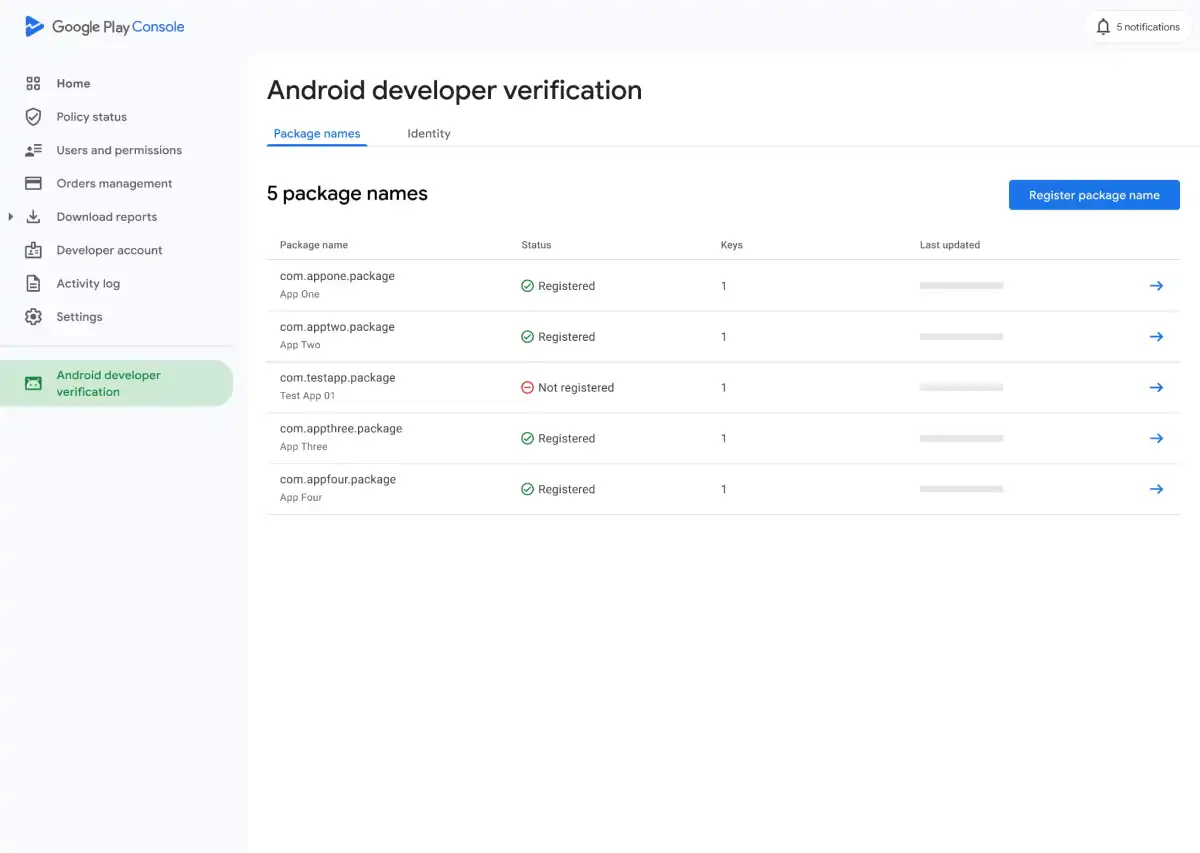
Google's announcement marks a significant shift in the company's approach to app distribution on Android devices. The developer verification process will require developers to provide personal and business information, including their full legal name, physical address, government-issued ID, and contact information. This is a departure from the current system, where developers can distribute APKs directly to users without any friction.
The policy has been in the works for some time, with Google first introducing the concept of developer verification last year. The company has since provided a detailed timeline for rolling out the new requirements, which include:

- March 2026: Developer registration opens
- April 2026: Users start to see Android Developer Verifier in their Google Systems services settings
- June 2026: Early access for limited distribution accounts begins
- August 2026: Limited distribution accounts launch globally, and the advanced sideloading flow becomes available
- September 30, 2026: Apps must be registered by verified developers to be installed on certified Android devices in select countries
- 2027 and beyond: Global enforcement rollout
Background and Context
The move towards developer verification is part of Google's efforts to improve app security and user safety. The company has pointed to the increased prevalence of scams that trick Android users into installing malware apps as a key reason for introducing this new requirement.
Google has also emphasized that the policy will not only affect developers who distribute apps through the Play Store but also those who distribute APKs directly to users. This means that adult-industry platforms and operators who rely on sideloading or custom ROMs may need to adapt their distribution strategies to comply with the new requirements.
Why It Matters to the Industry
The implications of Google's Android Developer Verification policy for adult-industry platforms and operators are significant. The requirement for developers to verify their identities before distributing apps will likely lead to increased costs and administrative burdens for developers, which may be passed on to consumers.
Moreover, the policy may limit the ability of adult-industry platforms and operators to distribute certain types of content or use custom ROMs, which could impact their business models. The requirement for developer verification also raises concerns about data privacy and security, as developers will need to provide personal and business information to comply with the new requirements.
What Comes Next
The rollout of Google's Android Developer Verification policy is expected to begin in select countries later this year, with a global rollout expected in 2027. Adult-industry platforms and operators will need to adapt their distribution strategies to comply with the new requirements, which may involve investing in developer verification or exploring alternative distribution channels.
Key Facts
- Google's Android Developer Verification policy requires developers to verify their identities before distributing apps on Android devices.
- The policy will affect developers who distribute APKs directly to users, not just those who use the Play Store.
- Developers must provide personal and business information, including full legal name, physical address, government-issued ID, and contact information.
- The policy is set to begin in select countries later this year, with a global rollout expected in 2027.
- Adult-industry platforms and operators may need to adapt their distribution strategies to comply with the new requirements.
As Google's Android Developer Verification policy rolls out, adult-industry platforms and operators will need to carefully consider its implications for their business models and distribution strategies. The requirement for developer verification is a significant shift in the way apps are distributed on Android devices, and it may have far-reaching consequences for the industry as a whole.