

The recent Apple WWDC 2026 event has sparked attention for its approach to showcasing AI features, particularly Siri's revamped version. In a deliberate shift from previous years, Apple opted for more realistic demos, using pre-recorded videos that simulated real-world usage. This change in presentation style comes after the company agreed to pay $250 million to settle a lawsuit over false advertising claims tied to its 2024 AI feature announcements.
What Happened
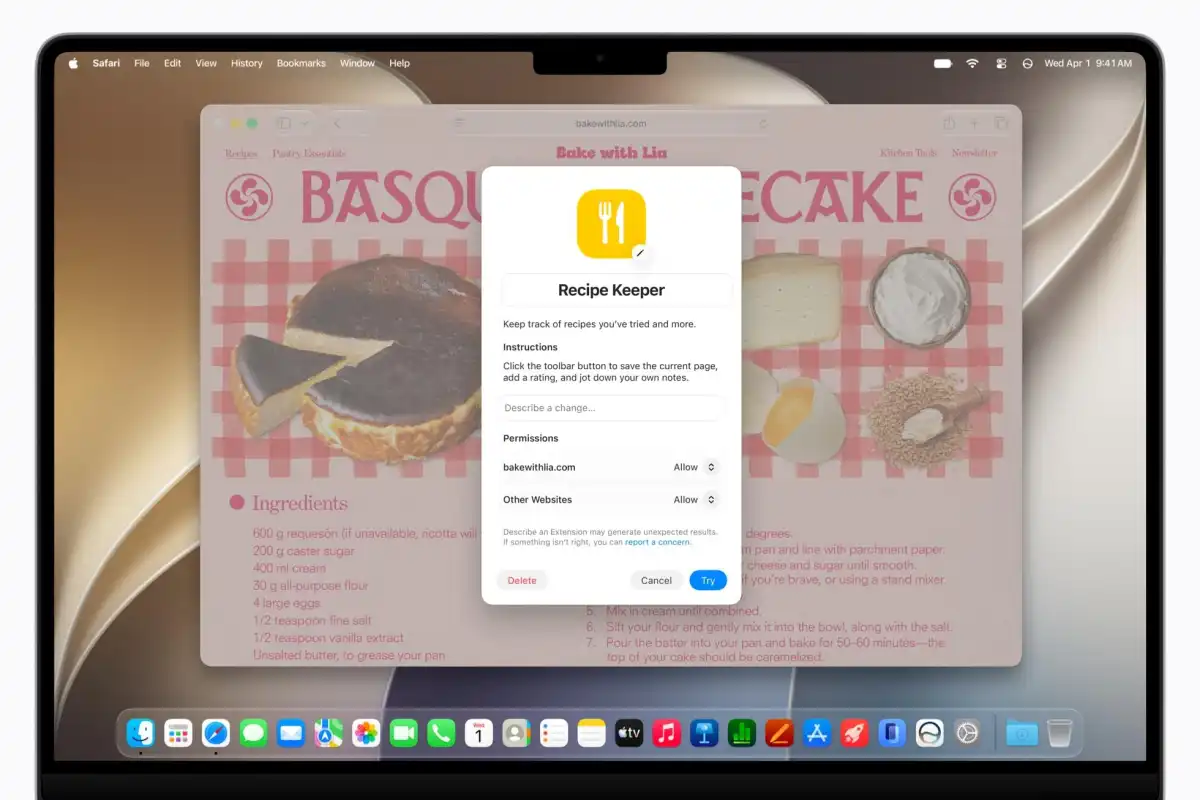
The WWDC 2026 keynote opened with a checklist of fixes, addressing long-overdue updates such as refinements to last year's "Liquid Glass" design language and improvements to the Playground feature. However, the moment the room had been waiting for was the unveiling of the rebuilt Siri, two years after Apple initially promised a smarter voice assistant. The new version promises deeper contextual awareness, tighter integration across apps, and responses that don't require repeated attempts to understand user requests.
The demo style used this year was notable, with many AI functionality demos employing a near-real-time simulation format. A person would be shown holding a phone, giving voice commands or tapping buttons, while another camera angle simultaneously displayed the device's responses. These pre-recorded videos were designed to demonstrate that the features can already run on real hardware, rather than being merely conceptual.

Background and Context
The lawsuit filed against Apple was a result of the company's delayed delivery of AI features announced in 2024. At the time, Apple stated that these capabilities would soon be available on the iPhone 15 Pro and newer devices. However, by March 2025, Apple acknowledged that the rollout had taken longer than expected. The case has placed reputational pressure on Apple, which ultimately led to a $250 million settlement without any admission of wrongdoing.
The shift in presentation style from WWDC 2024 to WWDC 2026 is significant. In 2024, Apple's focus was primarily on promotional videos showcasing the features, rather than demonstrating real-world usage. This year's approach aims to avoid repeating past controversies and provide a more realistic representation of the capabilities.
Why It Matters to the Industry
The adult industry relies heavily on AI-powered tools for moderation, age-gating, and content analysis. The accuracy and reliability of these features are crucial for maintaining a safe and compliant environment. Apple's approach to showcasing AI features may set a precedent for other companies in the tech industry.
Moreover, the emphasis on realistic demos highlights the importance of transparency in feature development. By demonstrating real-world usage, Apple is sending a message that its AI features are not just conceptual but can be relied upon. This shift in presentation style may influence how companies approach showcasing their own AI-powered tools and services.
What Comes Next
The new Siri will launch with iOS 27 and work on iPhone 15 Pro, iPhone 16, and newer devices – no new hardware required. Apple has also expanded the support for its AI features to include more hardware, such as the iPad mini (A17 Pro), Mac models with M1 or later chips, Apple Vision Pro, and Apple Watch Series 10 or later models.
As the adult industry continues to rely on AI-powered tools, it's essential to monitor how companies like Apple approach feature development and presentation. The shift towards more realistic demos may indicate a growing emphasis on transparency and reliability in AI feature development.
Key Facts
- Apple agreed to pay $250 million to settle a lawsuit over false advertising claims tied to its 2024 AI feature announcements.
- The new Siri will launch with iOS 27 and work on iPhone 15 Pro, iPhone 16, and newer devices – no new hardware required.
- Apple has expanded the support for its AI features to include more hardware, such as the iPad mini (A17 Pro), Mac models with M1 or later chips, Apple Vision Pro, and Apple Watch Series 10 or later models.
- The demo style used this year was notable, with many AI functionality demos employing a near-real-time simulation format.
- Apple's shift in presentation style aims to avoid repeating past controversies and provide a more realistic representation of the capabilities.
The recent Apple WWDC 2026 event has sparked attention for its approach to showcasing AI features, particularly Siri's revamped version. As the adult industry continues to rely on AI-powered tools, it's essential to monitor how companies like Apple approach feature development and presentation.