
Apple's latest AI upgrade, Siri AI, has been making headlines for its ability to run on Google's servers while maintaining user privacy. The company claims that its cloud processing is as private as on-device processing, despite expanding to run on third-party hardware. This move marks a significant shift in Apple's approach to AI development, one that could have implications for the tech industry at large.
What Happened
At its Worldwide Developers Conference (WWDC) last week, Apple announced that its new Siri AI would use Google's Gemini language models. This was not a surprise, given that Apple had already confirmed that it would be partnering with Google on this project. However, what was new was the revelation that some of these models would run on Nvidia hardware installed in Google servers.
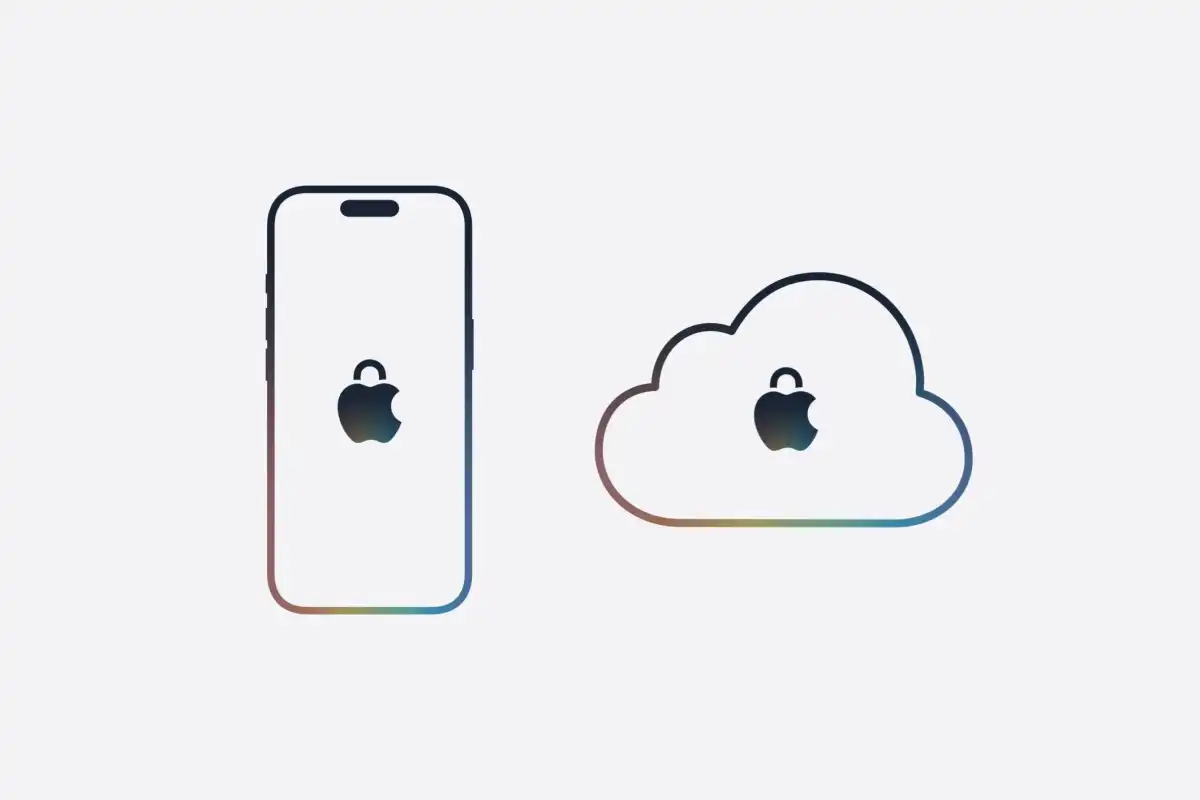
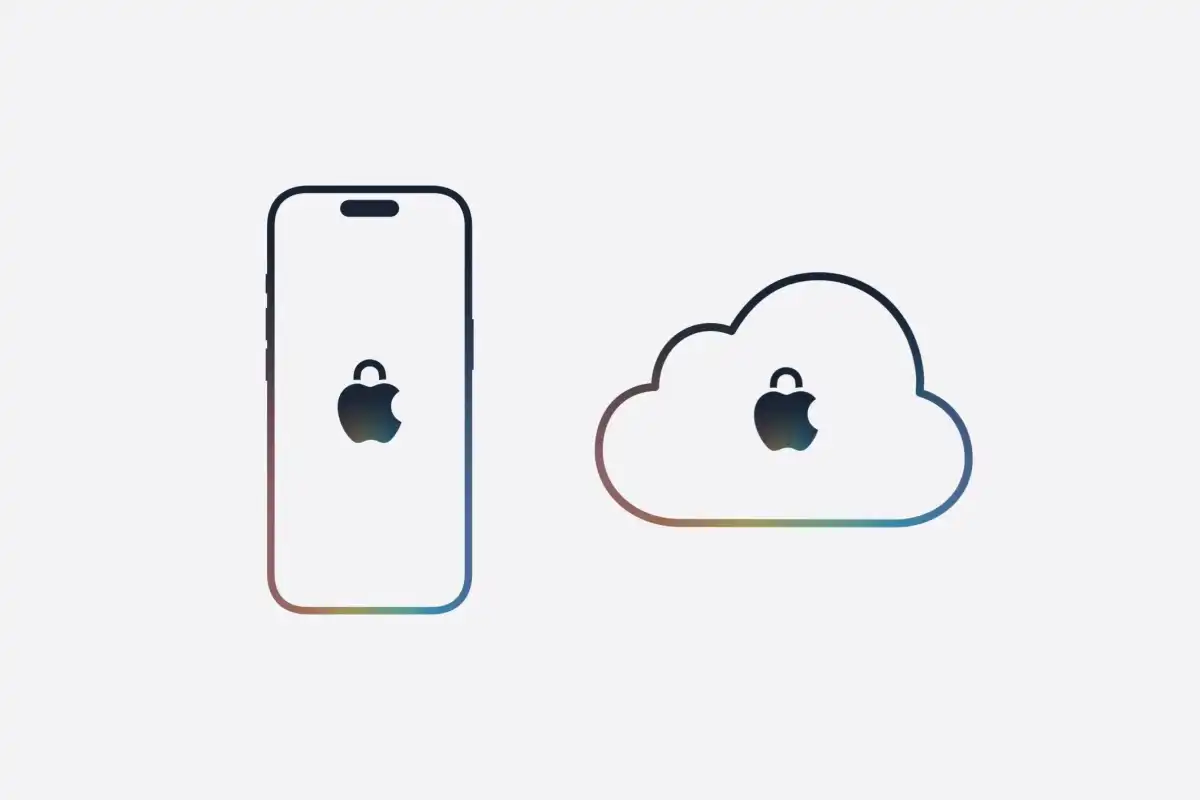
According to Craig Federighi, Apple's Senior Vice President of Software Engineering, the company has implemented a new iteration of its Private Cloud Compute system, designed to run on third-party hardware. This system uses layers of protection similar to those provided by Apple's own servers, including Nvidia's Confidential Computing and Intel's Trust Domain Extensions.

Background and Context
For years, Apple has touted user privacy as a key benefit of using its platforms. Its cloud services use encryption that is intended to keep other people – including Apple employees – from being able to access it. However, with the introduction of Siri AI, Apple has run up against the limits of its own hardware.
The kinds of language and reasoning models that can run locally on an iPhone or Mac are relatively small, limiting their capabilities and accuracy. To get the kind of capacity it would need to support Siri AI, Apple would have had to commit to a huge data center buildout – something it has so far avoided.
Why It Matters
This development is significant for several reasons. Firstly, it marks a shift in Apple's approach to AI development, one that prioritizes collaboration over competition. By partnering with Google and Nvidia, Apple is able to tap into the expertise and resources of these companies, while also maintaining its commitment to user privacy.
Secondly, this move has implications for the tech industry at large. As more companies begin to develop their own AI capabilities, they will be forced to confront the same challenges that Apple faced – namely, how to balance the need for capacity and accuracy with the need for user privacy.
What Comes Next
The new Siri AI is set to launch as part of iOS 27, iPadOS 27, macOS 27 Golden Gate, and Apple's other operating system releases this fall. The first beta versions are available to developers now, but most people would be better served by waiting until July to try it, when a more stable public beta version will be released.
Key Facts
- Apple's new Siri AI uses Google's Gemini language models and runs on Nvidia hardware installed in Google servers.
- The company has implemented a new iteration of its Private Cloud Compute system, designed to run on third-party hardware.
- This system uses layers of protection similar to those provided by Apple's own servers, including Nvidia's Confidential Computing and Intel's Trust Domain Extensions.
- Apple claims that its cloud processing is as private as on-device processing, despite expanding to run on third-party hardware.
- The new Siri AI is set to launch as part of iOS 27, iPadOS 27, macOS 27 Golden Gate, and Apple's other operating system releases this fall.