
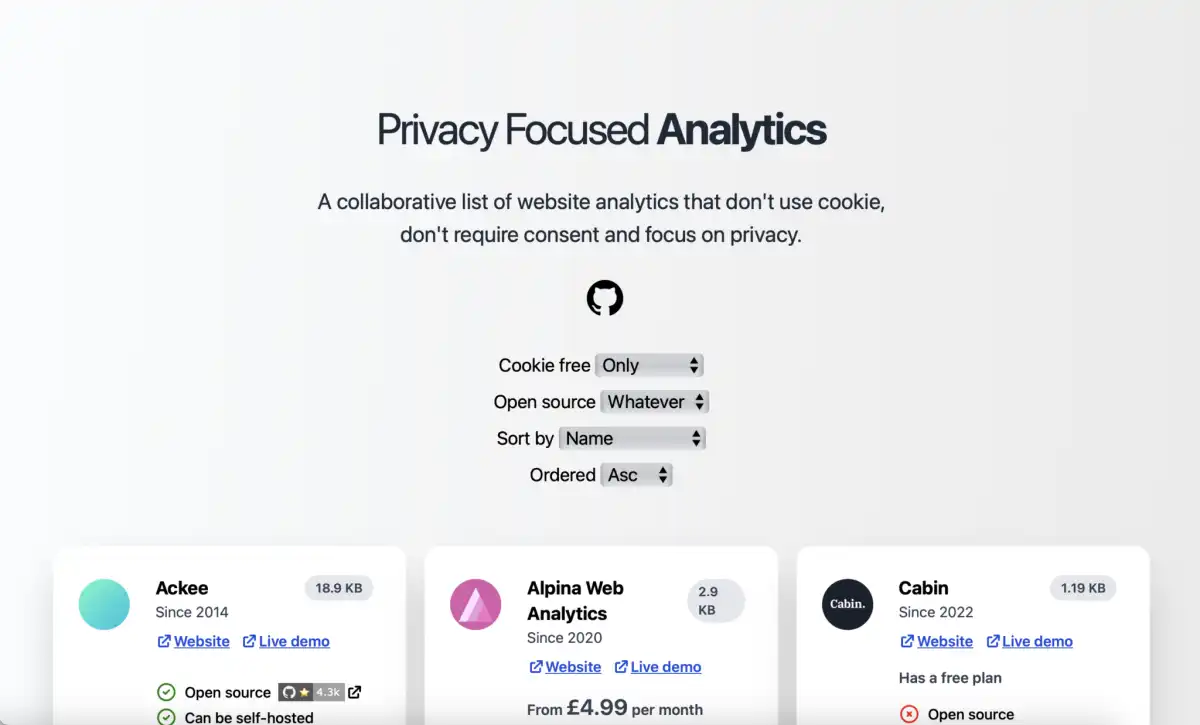
The WAM.app, a platform emphasizing privacy, has entered open beta, signaling a growing trend in digital services that prioritize user data control. This development is particularly relevant for adult industry platforms, where user privacy and data security are paramount due to the sensitive nature of the content and interactions. As platforms navigate evolving regulatory landscapes and increasing user demand for data protection, the architectural choices of services like WAM.app offer insights into designing systems that minimize data collection and enhance user trust.
The move to open beta for a privacy-first platform underscores a broader industry shift towards decentralization and user empowerment in data management. For adult content platforms, this translates into a critical need to re-evaluate existing infrastructure and data handling practices. Traditional models often involve extensive data collection for analytics, advertising, and personalization, which can expose platforms to significant privacy risks and regulatory scrutiny. Adopting a privacy-first approach from the ground up, as exemplified by WAM.app, means engineering systems where data collection is minimized by design, encryption is ubiquitous, and users retain control over their information.
What Defines a Privacy-First Platform's Technical Architecture?
A privacy-first technical architecture is fundamentally about minimizing data footprint and maximizing user control. This contrasts sharply with many mainstream digital platforms, which often engage in extensive data collection, including keywords in emails, social connections, and geo-data in photos, to create detailed user profiles for targeted advertising and content shaping. For adult industry platforms, such data practices carry heightened risks, from potential doxing and identity theft to severe reputational damage and legal liabilities. Therefore, understanding the core tenets of privacy-first design is crucial for engineers and operators in this space.

Key architectural considerations for privacy-first platforms include end-to-end encryption, zero-knowledge systems, and decentralized data storage. End-to-end encryption ensures that communications and content are accessible only to the sender and intended recipient, preventing intermediaries, including the platform itself, from viewing the data. Zero-knowledge proofs can allow for verification of information without revealing the underlying data, which is critical for age verification or content moderation without compromising user privacy. Decentralized storage, often leveraging blockchain or distributed ledger technologies, can distribute data across multiple nodes, reducing single points of failure and making it harder for any one entity to control or compromise user information. These technical choices are not merely features but foundational elements that dictate how data flows through the system and who ultimately controls it.
Furthermore, privacy-first platforms often adopt open-source principles, allowing for community scrutiny and verification of their security and privacy claims. This transparency builds trust, a critical commodity in an industry where discretion is highly valued. For adult platforms, integrating open-source components for crucial functionalities like two-factor authentication (2FA) or secure messaging can enhance security posture. For instance, open-source 2FA apps like Aegis for Android or ente Auth, which support vault encryption and key exporting, offer more user control compared to proprietary solutions that might lock users into specific ecosystems or limit data portability. Such tools exemplify the commitment to user data control and transparency that defines a privacy-first approach.
How Do Privacy-Focused Tools Impact Data Management and Security?
The integration of privacy-focused tools and software significantly impacts data management and security for any digital platform, especially those in the adult industry. These tools are designed to reduce the digital footprint of users and platforms, thereby mitigating risks associated with data breaches, surveillance, and unauthorized access. For instance, privacy-respecting browsers like Brave, DuckDuckGo, and Firefox are engineered to block privacy-invasive ads and trackers, speeding up loading times and preventing hidden data collectors from profiling users. While these are client-side tools, their widespread adoption signals a user expectation for similar privacy guarantees from the platforms they interact with.
On the server and platform side, adopting privacy-first principles means re-evaluating every component of the technology stack. For messaging and communication within platforms, alternatives to widely used services like WhatsApp, which collect personal data, include Threema and Signal. Threema is designed to generate as little user data as technically possible and can be used without providing personal data. Signal, recognized as an editor's choice in 2026, provides end-to-end encryption for messaging and voice-calling, ensuring that messages cannot be read by the service provider. For adult platforms, integrating such secure communication protocols directly into their systems, or ensuring that third-party integrations adhere to similar standards, is crucial for protecting user and creator interactions.
Beyond communication, privacy-focused tools extend to a wide array of functionalities critical for platform operations. For password management, KeePassXC offers secure storage using industry-standard encryption, with browser extensions for website logins. For file encryption, VERNAM provides client-side encryption. Cloud storage alternatives like Internxt Drive prioritize privacy, answering to European law rather than US subpoenas. Even search engines like Brave Search and Mojeek are designed with privacy in mind, avoiding the extensive data collection practices of larger counterparts. For adult platforms, adopting these types of tools and principles across their infrastructure, from internal operations to user-facing features, can significantly enhance their overall security posture and build trust with their user base by demonstrating a commitment to safeguarding sensitive data.
What Are the Implications for Age Verification and Content Moderation?
The emphasis on privacy-first architectures presents both opportunities and challenges for critical functions like age verification and content moderation within the adult industry. Traditionally, these processes often involve collecting and storing sensitive personal data to confirm identity and age, or to analyze content for compliance. However, a privacy-first approach demands innovative solutions that achieve these goals without compromising user anonymity or data security. This necessitates a shift towards technologies that can verify attributes without revealing the underlying identity, such as zero-knowledge proofs.
For age verification, zero-knowledge proof systems could allow a user to prove they are above a certain age threshold without disclosing their exact birthdate, name, or any other personally identifiable information to the platform. This would be a significant advancement over current methods that often require uploading government IDs, which then need to be securely stored and processed, creating a substantial data liability. Implementing such systems requires sophisticated cryptographic engineering and careful integration into the user onboarding flow, ensuring both accuracy and privacy. The challenge lies in developing and deploying these complex cryptographic solutions at scale, while also ensuring they are robust against fraud and manipulation.
Similarly, content moderation in a privacy-first environment requires careful consideration. While platforms have a responsibility to prevent illegal content, a strict privacy stance means avoiding deep inspection of user-generated content unless absolutely necessary and with explicit user consent. This could involve client-side moderation tools that flag potential issues before content is even uploaded, or AI models that can identify problematic patterns without storing or fully processing the content on the server. The balance between maintaining user privacy and ensuring platform safety and legal compliance is delicate. It pushes engineers to develop more intelligent, privacy-preserving AI and machine learning models that can operate effectively with minimal access to raw user data, or to rely more on user reporting mechanisms that are designed to protect the reporter's anonymity.
The shift towards privacy-first platforms like WAM.app signals a future where technology is designed to empower users with greater control over their data. For adult industry platforms, embracing these principles is not just about compliance or ethical considerations; it is a strategic imperative for building resilient, trusted, and secure environments for creators and consumers alike. The engineering challenges are substantial, requiring expertise in cryptography, decentralized systems, and privacy-preserving AI, but the rewards in terms of user trust and platform longevity are significant.