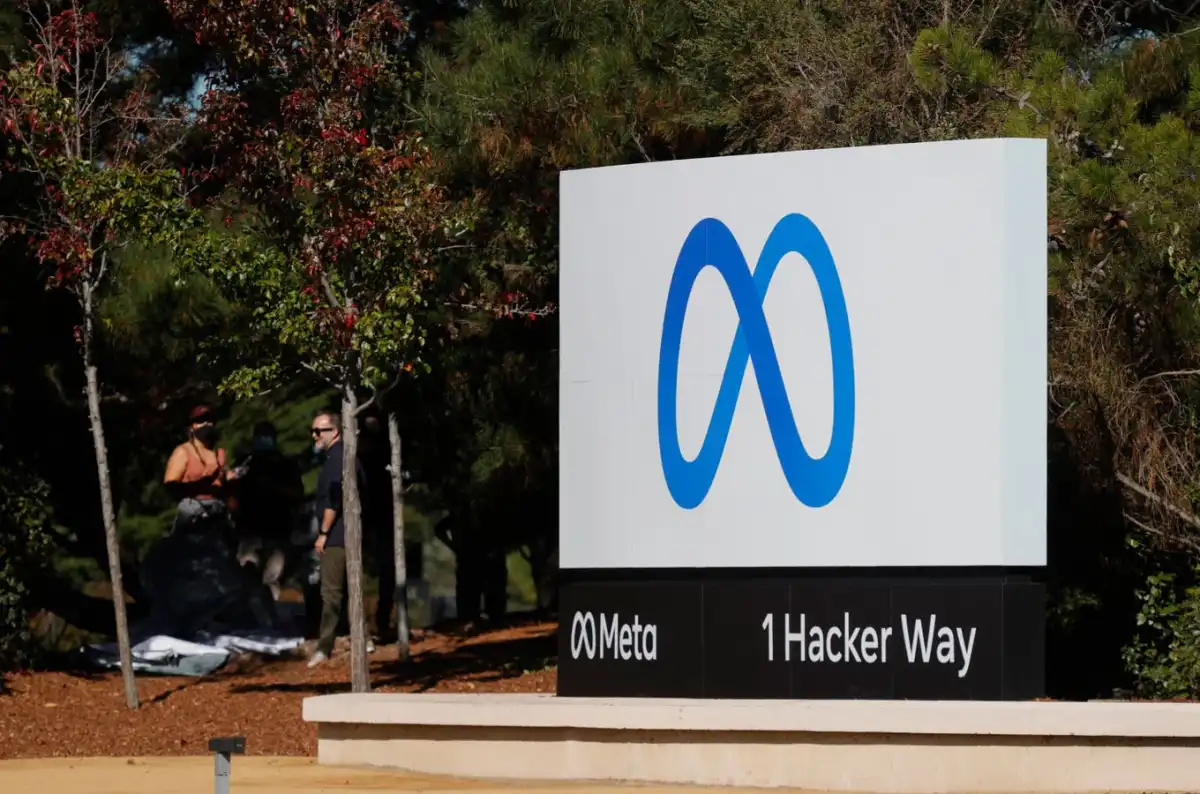
A New Mexico state court has ordered Meta Platforms, the parent company of Facebook and Instagram, to pay a total of $942 million in fines and abatement funds, marking a significant development in the legal landscape surrounding online child safety. The ruling, issued by Judge Bryan Biedscheid, found Meta liable for creating a "public nuisance" and contributing to the teen mental health crisis, drawing parallels between the company's platforms and environmental pollution. This decision carries implications for adult industry platforms, particularly regarding age verification technologies, content moderation strategies, and the potential for increased regulatory scrutiny on platform design and user engagement mechanisms.
The total penalty comprises two components: an initial $375 million in civil penalties previously ordered by a jury in March, and an additional $567 million mandated by Judge Biedscheid. The latter sum is earmarked for an abatement fund, with $420 million dedicated to treatment services for young people, and the remainder allocated to awareness, prevention, and screening services over the next five years. This comprehensive approach to remediation, moving beyond mere fines to demand active funding for harm mitigation, sets a precedent that could influence future legal actions against digital platforms.
What Does the "Public Nuisance" Ruling Mean for Platform Operators?
Judge Biedscheid's ruling explicitly characterized Meta as a "public nuisance," equating the psychological harm and sexual exploitation of children on its platforms to the "pollution that must be abated" from a factory. This legal framing is critical for platform operators, as it suggests a broader interpretation of corporate responsibility for the societal impact of digital services. The court found that Meta implemented features designed to "optimize engagement" that were "harmful to teenagers" and failed to adequately communicate these risks. For adult industry platforms, this highlights the growing legal emphasis on platform design choices and their potential downstream effects, particularly concerning user engagement models and the transparency of potential risks.

The ruling further noted that the harmful effects of Meta's platforms "do not stay contained by its platforms and, instead, migrate to the internet as a whole and, perhaps most concerning, to the real world." This concept of "migrating harm" underscores the interconnectedness of online and offline environments and suggests that platforms may be held accountable for broader societal burdens, including those on families, schools, hospitals, and law enforcement. This perspective could compel adult industry platforms to consider the wider impact of their services, especially regarding age-gating efficacy and the potential for content to proliferate beyond intended audiences or secure environments.
How Will This Impact Age Verification and Content Moderation Technologies?
In the second phase of the litigation, prosecutors urged the judge to require Meta to adopt age-appropriate designs, minimize addiction, improve age verification, and work to prevent child sexual exploitation. While the ruling focused on financial penalties and an abatement fund, these prosecutorial demands signal a clear direction for future regulatory and legal pressures. For adult industry platforms, the call for improved age verification is particularly salient. Current age verification methods, which often rely on self-declaration or rudimentary checks, may face increased scrutiny as courts and legislatures seek more robust solutions to prevent underage access.
The emphasis on minimizing addiction and preventing child sexual exploitation also points to a need for advanced content moderation technologies and platform design principles that prioritize user safety over engagement metrics. Adult platforms, which inherently deal with sensitive content, already invest heavily in content moderation. However, this ruling suggests a potential shift towards mandating "age-appropriate designs" and default privacy settings that could fundamentally alter how platforms are built and operated. This could necessitate further development in AI-driven content analysis for proactive identification of prohibited material and more sophisticated user behavior analytics to detect and mitigate problematic usage patterns.
What Are the Broader Implications for Platform Liability and Design?
The New Mexico ruling is part of a larger trend of increasing legal challenges against social media companies regarding child safety. Meta is currently facing thousands of lawsuits in the U.S. over similar issues, and earlier this year, it lost a landmark case in Los Angeles that found it could be held liable for building addictive platforms. This accumulation of legal setbacks suggests a hardening stance from the judiciary and regulators towards platform accountability, moving beyond a focus on individual bad actors to scrutinize the underlying technological architecture and design choices of platforms themselves.
For developers and engineers in the adult industry, this signals a need for a proactive re-evaluation of platform features, particularly those that drive engagement or could be perceived as fostering problematic use. The comparison of Meta to a polluting factory, with advertising and content as its product and psychological harm as the pollution, underscores a shift towards holding platforms responsible for the negative externalities of their core business models. This could lead to demands for greater transparency in algorithmic design, more stringent data privacy controls, and a fundamental re-thinking of how user experience is engineered to balance engagement with safety and ethical considerations.
While Meta has stated its intention to appeal the New Mexico ruling, the decision represents a significant legal precedent. New Mexico Attorney General Raúl Torrez noted that "for the first time, a court has ruled that a social media giant can be held liable for building products that endanger children, and has ordered the structural changes needed to fix it." This "blueprint" could be followed by other states and countries, potentially leading to a wave of similar litigation and regulatory actions. Adult industry platforms, operating in an already highly scrutinized environment, should monitor these developments closely, as they may foreshadow future requirements for technological safeguards, age verification robustness, and responsible platform design across the digital landscape.