The adult industry is exploring new technological avenues for content discoverability and knowledge management, moving beyond traditional wiki structures towards more dynamic, swipe-style directories. This evolution reflects a broader trend in web development to enhance user interaction and content organization, leveraging advancements in collaborative editing platforms and metadata management to create more engaging and efficient information hubs for adult content platforms and operators.
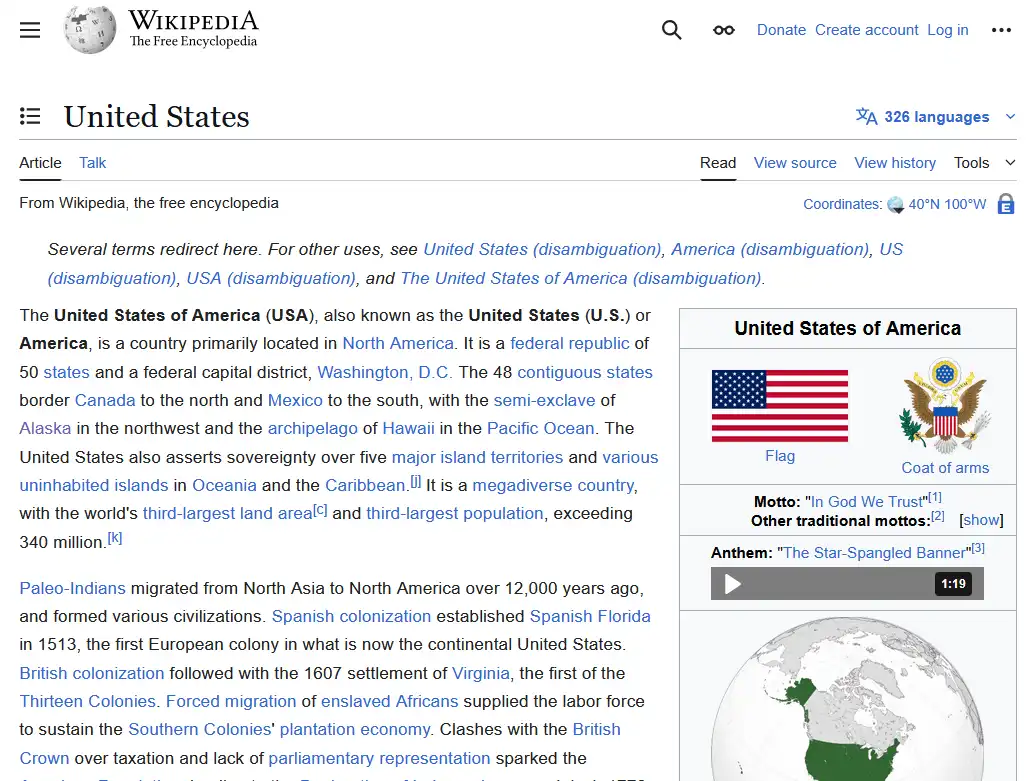
The shift is particularly relevant for the adult industry, where effective content categorization, user-generated information, and robust search capabilities are crucial for platform utility and compliance. As of 2026, the global digital landscape is dominated by wikis like the English Wikipedia, alongside specialized platforms such as Fandom for pop culture, and government wikis like Diplopedia. These examples highlight the versatility of wiki technology, which allows audiences to directly edit and manage hypertext publications through a web browser. For adult industry platforms, adapting these collaborative and organizational principles could lead to more sophisticated and user-driven directories, moving beyond static listings to interactive knowledge bases.
The Evolution of Collaborative Content Management
A wiki, fundamentally, is a collaborative website where users can create, edit, and interlink pages of information, acting as a shared brain for collective knowledge. This model, pioneered by WikiWikiWeb, has evolved significantly, encompassing public platforms like Wikipedia and internal company handbooks such as GitLab's. The core tenets of a successful wiki—easy editing and collaboration, strong organization and search, and up-to-date, quality content—are increasingly vital for adult industry platforms seeking to manage vast and diverse content libraries efficiently. The ability for multiple users to add or update content without hassle, coupled with version history tracking, ensures accuracy and currency, a critical factor for dynamic adult content landscapes.

The design of effective wikis emphasizes user-friendly interfaces, robust search functions, and clear content organization through categories, hierarchies, or sidebars. For adult industry operators, these features translate directly into improved content discoverability and user experience, which can be crucial for both content producers and consumers navigating extensive catalogs. Examples like AboutUs, a web directory that initially used MediaWiki software but now largely employs Ruby on Rails, demonstrate how wiki technology can be adapted for directory-style applications, pre-populated with information about various websites. This hybrid approach, combining collaborative wiki features with directory functionalities, offers a blueprint for creating more interactive and comprehensive adult content directories.
Leveraging Metadata and Faceted Navigation for Adult Platforms
The next generation of adult directories stands to benefit significantly from advanced metadata management and faceted navigation, moving beyond simple keyword searches to more nuanced content discovery. Projects like "Diamond Wiki" are exploring the combination of faceted navigation with wiki- and blog-style features, emphasizing metadata. This approach allows for a more granular classification and retrieval of information, enabling users to filter content based on multiple attributes simultaneously. For adult industry platforms, this could mean categorizing content not just by genre, but also by specific themes, performer attributes, production styles, or even technical specifications, offering a highly refined search experience.
The integration of metadata and faceted navigation addresses a key challenge in managing large volumes of diverse content: making it easily discoverable and navigable. By allowing users to drill down into specific criteria, platforms can provide a more tailored and efficient browsing experience. This is particularly relevant in the adult industry, where user preferences can be highly specific. Furthermore, the collaborative nature of wikis, where content is reviewed and updated by moderators, ensures that metadata remains accurate and relevant. This continuous refinement process, coupled with robust organizational structures, transforms a simple directory into a dynamic, intelligent content hub.
Technical Considerations for Implementing Advanced Directories
Implementing advanced, wiki-style directories within the adult industry requires careful consideration of underlying technologies and architectural choices. While many wikis, including the English Wikipedia, rely on MediaWiki software, other platforms like AboutUs have transitioned to frameworks like Ruby on Rails for enhanced flexibility and scalability. The choice of software impacts not only the ease of editing and collaboration but also the platform's ability to handle large datasets, integrate with other systems, and support complex search algorithms. For adult content platforms, scalability and performance are paramount, given the potentially massive volume of content and user traffic.
Beyond the core wiki software, the technical infrastructure must support strong organization and search capabilities, including interlinked pages, hierarchical categorization, and robust search functions. The ability to manage and display version histories is also critical for maintaining content integrity and transparency in collaborative environments. As platforms evolve, the focus will increasingly be on systems that can adapt to changing content landscapes and user behaviors, offering a blend of collaborative editing, intelligent content organization, and advanced search functionalities to create truly next-generation adult directories.