
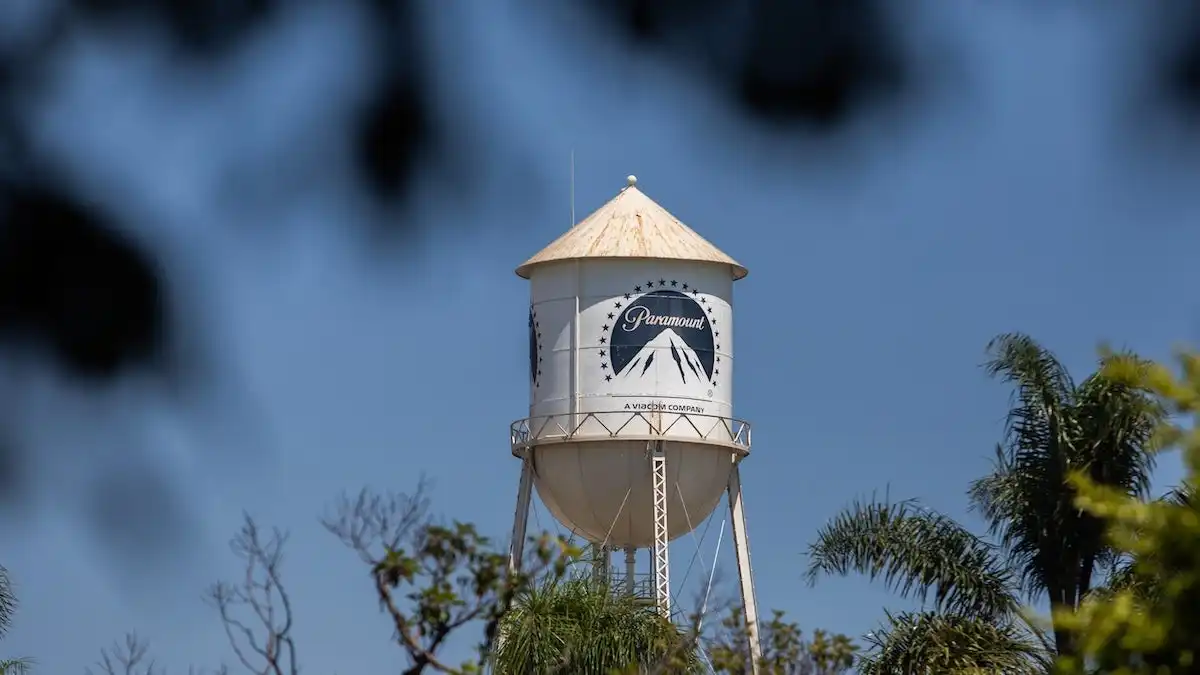
Paramount Skydance has accused Netflix of launching a "scorched-earth campaign" against its proposed acquisition of Warner Bros. Discovery (WBD), sparking a heated debate over the potential impact on the entertainment industry.
What Happened
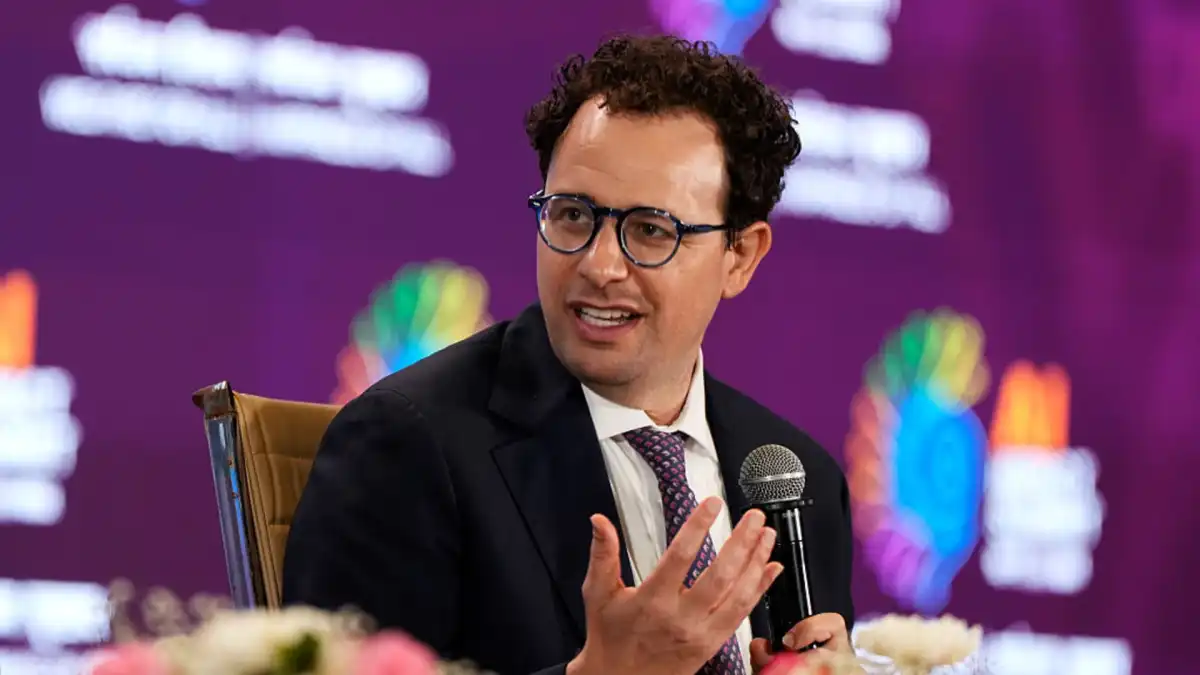
In a letter dated June 5, Paramount's chief legal officer Makan Delrahim accused Netflix of trying to influence stakeholders against the merger, which would unite two historic Hollywood studios and popular streaming platforms under one corporate roof. The letter was sent to the US Department of Justice (DOJ) in response to concerns raised by the International Brotherhood of Teamsters, a labor union that represents workers in the film and television industry.
The Teamsters had argued that Paramount's acquisition of WBD would pose a direct threat to workers, potentially leading to job losses. However, Delrahim rejected this claim, stating that the merger would instead create new opportunities for union workers and boost content production. He also accused Netflix of trying to persuade stakeholders that Disney's 2019 acquisition of 20th Century Fox had a negative impact on content production and labor opportunities.

Background and Context
The proposed merger between Paramount and WBD has been under review by the DOJ since February, when Paramount emerged as the winning bidder in a bidding war against Netflix. The deal would create a massive entertainment conglomerate with significant market share in both film and television production, as well as streaming services.
Delrahim's letter highlights the intense competition between major players in the entertainment industry, particularly between Paramount and Netflix. While Netflix has walked away from its own bid to acquire WBD, it appears to be actively working against the merger, according to Delrahim. This "scorched-earth campaign" is seen as a desperate attempt by Netflix to undermine Paramount's competitive advantage.
Why It Matters to the Industry
The proposed merger between Paramount and WBD has significant implications for the entertainment industry, particularly in terms of content production and distribution. If approved, the deal would create a massive entity with the resources to produce high-quality content on a large scale, potentially disrupting the market and forcing other players to adapt.
Delrahim's letter also highlights the importance of competition in driving innovation and growth in the entertainment industry. By accusing Netflix of trying to undermine Paramount's competitive advantage, Delrahim is emphasizing the need for regulators to carefully consider the potential impact of the merger on the market.
What Comes Next
The DOJ has not yet responded to Delrahim's letter, but it is likely that the agency will take a close look at the concerns raised by Paramount and Netflix. The proposed merger remains under review, with several hurdles still to be cleared before it can be approved.
Key Facts
- Paramount Skydance has accused Netflix of launching a "scorched-earth campaign" against its proposed acquisition of Warner Bros. Discovery (WBD).
- The letter was sent to the US Department of Justice (DOJ) in response to concerns raised by the International Brotherhood of Teamsters, a labor union that represents workers in the film and television industry.
- Delrahim rejected the claim that Paramount's acquisition of WBD would pose a direct threat to workers, stating that the merger would instead create new opportunities for union workers and boost content production.
- The proposed merger between Paramount and WBD has been under review by the DOJ since February, when Paramount emerged as the winning bidder in a bidding war against Netflix.
- Delrahim's letter highlights the intense competition between major players in the entertainment industry, particularly between Paramount and Netflix.
The outcome of this debate will have significant implications for the entertainment industry, with potential impacts on content production, distribution, and market share. As the review process continues, it remains to be seen whether the DOJ will approve the merger or block it due to concerns over competition and labor practices.