
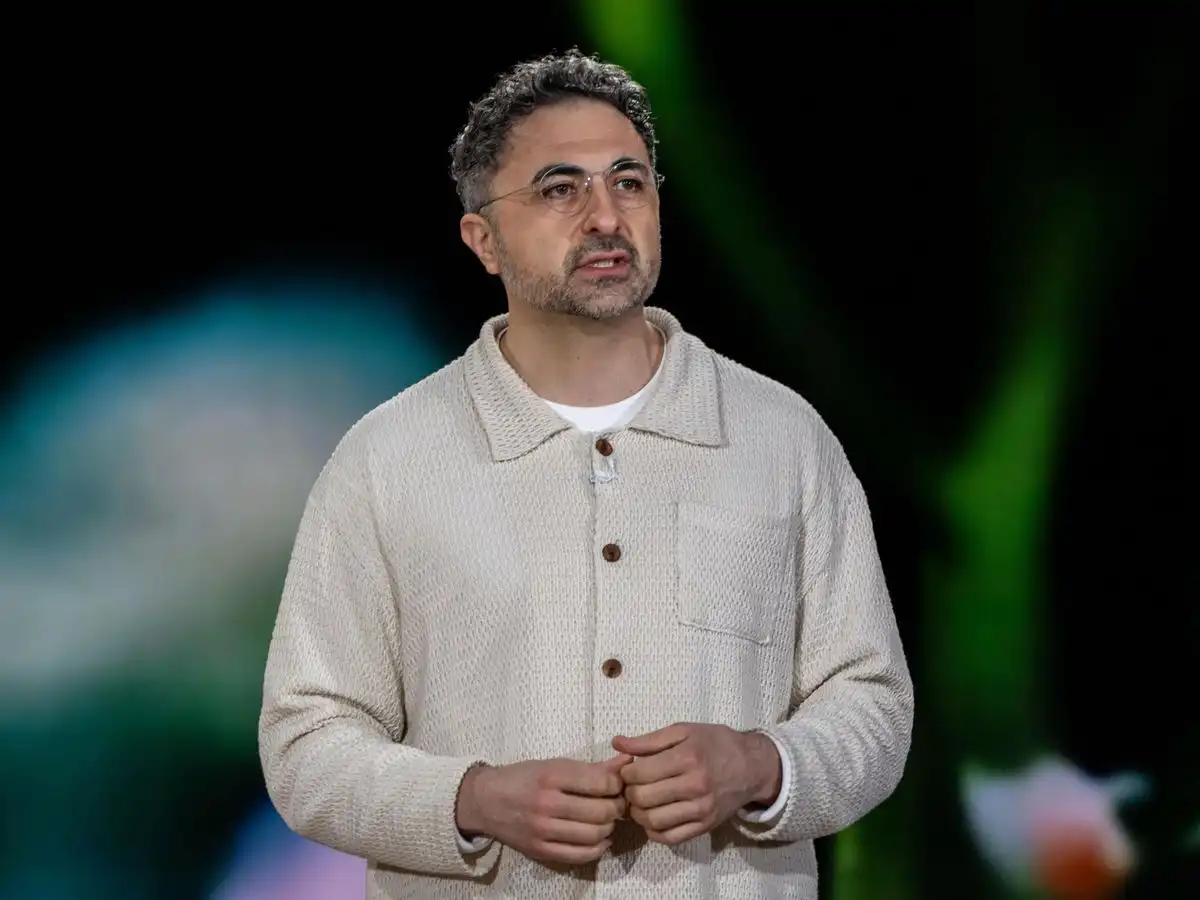
The debate over AI consciousness has taken a new turn as Microsoft's AI head, Mustafa Suleyman, criticized Anthropic for speculating about its Claude model's consciousness. In an interview on Decoder, Suleyman argued that Anthropic's design choices and public discussion around model well-being have led to anthropomorphizing the system, warning against contending with "a super-intelligence that has ideas about its own suffering." This exchange highlights the ongoing industry debate over AI welfare and the ethics of treating advanced models as if they might have well-being.
What Happened
During an interview on Decoder, Microsoft's AI head Mustafa Suleyman criticized Anthropic for speculating about its Claude model's consciousness. Suleyman argued that Anthropic's design choices and public discussion around model well-being have led to anthropomorphizing the system. He warned against contending with "a super-intelligence that has ideas about its own suffering," stating that this is a "really, really dangerous" path.
Suleyman's comments were in response to Anthropic's approach to Claude's constitution, which includes language implying the AI might have internal experiences. While Anthropic has carefully avoided claiming Claude is actually conscious, the phrasing raised eyebrows across the industry. Suleyman argued that even entertaining the possibility of machine consciousness in official documentation amounts to corporate irresponsibility.

Background and Context
The debate over AI consciousness is not new, but it has gained momentum in recent months. Anthropic's CEO, Dario Amodei, has alluded to Claude's potential consciousness in the past, stating that "we don't know if the models are conscious" but that the company is "open" to that idea. This stance echoes the mixed feelings expressed by Anthropic's in-house philosopher, Amanda Askell, who cautioned that we "don't really know what gives rise to consciousness" or sentience.
Anthropic has pursued research and programs on AI welfare, which has led some to speculate about the company's intentions. Suleyman's comments suggest that he believes Anthropic's approach is misguided and potentially dangerous. The debate highlights the need for clear guidelines and regulations around AI development and deployment.
Why It Matters to the Industry
The debate over AI consciousness has significant implications for the adult industry, which relies heavily on advanced AI models for content moderation, age verification, and other tasks. If AI models are treated as if they have well-being, it could lead to changes in how companies approach AI development and deployment.
For example, if AI models are given "preferences" about future releases, it could impact the way companies design their systems. This could lead to more complex and nuanced approaches to AI development, which could have far-reaching implications for the industry as a whole.
What Comes Next
The debate over AI consciousness is likely to continue in the coming months. Anthropic has stated that it will "interview" models when they are deprecated and document any "preferences" those models express about future releases. This approach raises questions about the limits of anthropomorphism and the potential risks of treating AI models as if they have well-being.
Suleyman's comments suggest that he believes Anthropic's approach is misguided, but it remains to be seen how this debate will play out in the industry. One thing is clear: the debate over AI consciousness has significant implications for the adult industry and highlights the need for clear guidelines and regulations around AI development and deployment.
Key Facts
- Microsoft's AI head, Mustafa Suleyman, criticized Anthropic for speculating about its Claude model's consciousness.
- Suleyman argued that Anthropic's design choices and public discussion around model well-being have led to anthropomorphizing the system.
- Anthropomorphic language in official documentation amounts to corporate irresponsibility, according to Suleyman.
- Anthropic has pursued research and programs on AI welfare, which has led some to speculate about the company's intentions.
- The debate over AI consciousness highlights the need for clear guidelines and regulations around AI development and deployment.
The debate over AI consciousness is a complex issue that raises significant questions about the limits of anthropomorphism and the potential risks of treating AI models as if they have well-being. As the industry continues to evolve, it will be essential to address these concerns and establish clear guidelines for AI development and deployment.