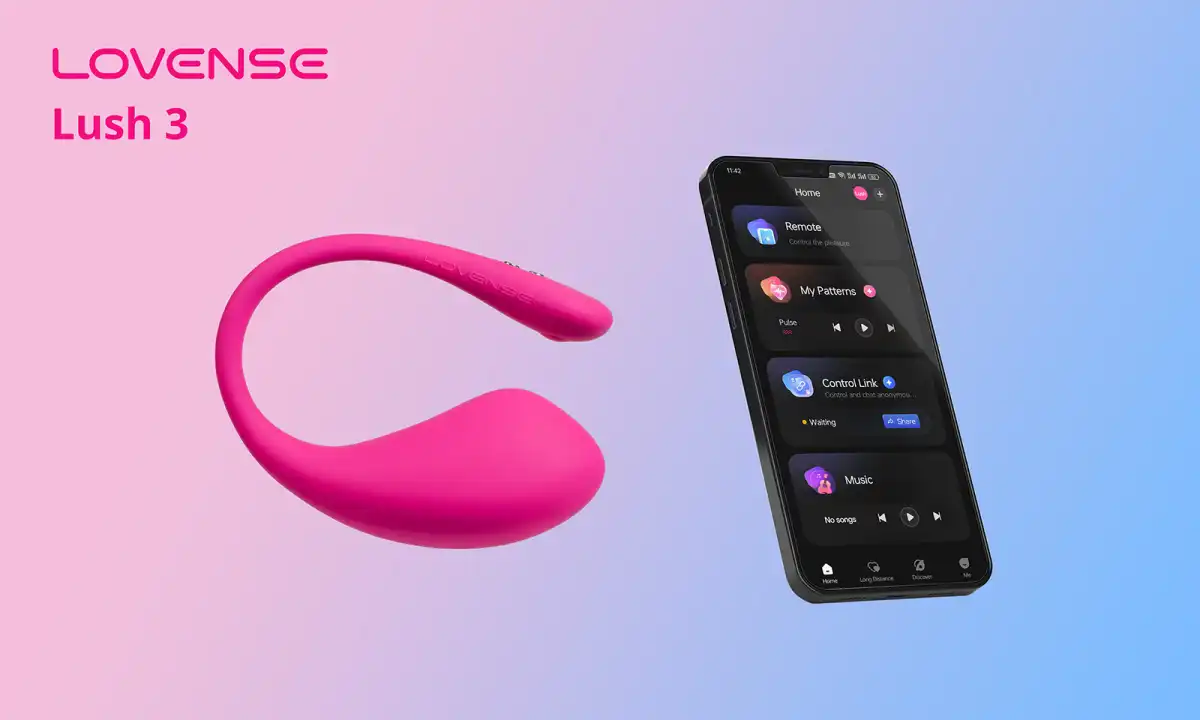
Lovense, a company established in 2010 known for integrating teledildonics with modern technology, has announced multiple legal victories in intellectual property lawsuits. These cases, filed in U.S. courts, relate to counterfeits of its Lush series of teledildonics devices. The company reported judgments in its favor totaling nearly $20 million from four recent lawsuits against patent infringers. This outcome underscores the increasing importance of robust IP protection for adult technology platforms and hardware manufacturers, particularly as the market for connected devices and interactive experiences expands globally.
Since 2022, Lovense has initiated legal actions against over 250 companies worldwide for infringing on the Lush series. The company holds nearly 300 patents globally, encompassing both utility and design patents, and provides over 30 different product categories and technical services to more than 20 million users. The successful enforcement of these patents highlights the significant investment in research and development within the adult technology sector and the necessity for companies to safeguard their innovations against unauthorized replication.
What Do Teledildonics Patents Protect?
Teledildonics, a core technology for companies like Lovense, involves the remote control of intimate devices, often integrated with streaming platforms or virtual environments. Patents in this area typically cover specific mechanical designs, electronic components, communication protocols, and software interfaces that enable remote interaction. For instance, a utility patent might protect the unique vibratory mechanism within a device like the Lush, while a design patent could cover its distinctive physical form factor. These patents are crucial for maintaining a competitive edge in a rapidly evolving market.

The successful litigation by Lovense demonstrates the technical complexity and proprietary nature of these devices. Protecting intellectual property in teledildonics is not merely about product design; it extends to the underlying engineering that facilitates seamless, low-latency control and reliable connectivity. For developers and platform operators in the adult industry, this means that integrating with or building upon established teledildonics technologies often requires careful consideration of licensing and intellectual property rights to avoid infringement risks.
The Global Challenge of Counterfeiting and IP Enforcement
The issue of counterfeiting, particularly for popular products like the Lush series, presents significant technical and legal challenges for adult technology companies. Counterfeit devices often lack the quality control, safety certifications, and robust engineering of genuine products, potentially leading to performance issues, security vulnerabilities, or even physical harm to users. For platform operators that integrate with these devices, the proliferation of counterfeits can degrade the overall user experience and complicate technical support, as incompatible or faulty hardware can lead to connectivity problems or unexpected behavior.
Lovense's legal actions against over 250 companies worldwide since 2022 illustrate the global scale of this challenge. Enforcing intellectual property rights across multiple jurisdictions requires a sophisticated legal strategy and substantial resources. This commitment to IP protection is vital for fostering innovation within the adult tech industry, as it assures companies that their investments in research, development, and engineering will be protected from unauthorized copying. Without such protections, there would be less incentive for companies to develop advanced technologies, potentially stifling progress in areas like haptic feedback, remote interactivity, and secure device communication.
Implications for Adult Tech Developers and Platforms
For developers building applications, APIs, or platforms that interact with teledildonics and other smart adult devices, Lovense's victories serve as a reminder of the importance of intellectual property diligence. When integrating third-party hardware or software, it is crucial to ensure that those components are legitimately sourced and do not infringe on existing patents, trademarks, or copyrights. Using counterfeit or infringing devices could expose platforms to legal risks, reputational damage, and technical instability.
Furthermore, the emphasis on "innovative, high-quality, and safe products" by Lovense highlights the user experience and trust factors that are paramount in the adult technology space. Platforms that prioritize integration with genuine, patented technologies can offer a more reliable and secure experience for their users. This not only enhances user satisfaction but also reduces the likelihood of technical issues arising from poorly manufactured or reverse-engineered hardware. The ongoing legal battles in the teledildonics sector underscore a broader trend: as adult technology becomes more sophisticated and interconnected, the protection of its underlying engineering and design will become an increasingly critical aspect of business operations and strategic planning.