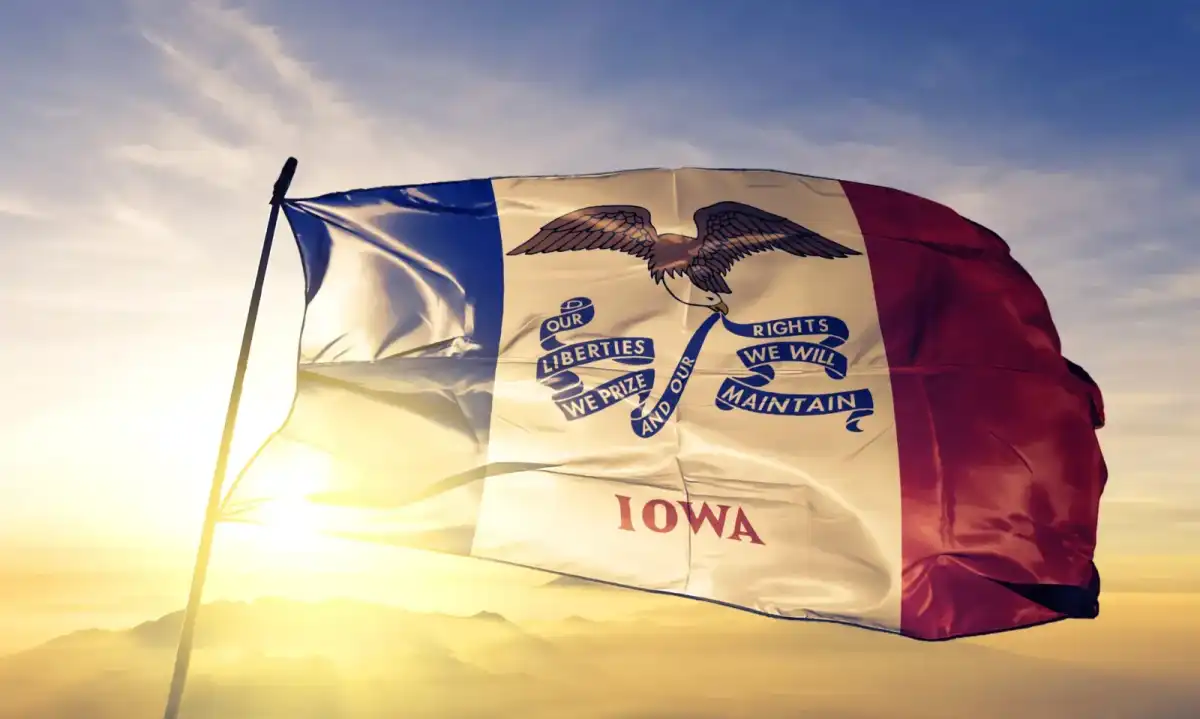

The Iowa Supreme Court has unanimously upheld a state law banning the use of public funds to distribute pornography to inmates in state prisons, marking a significant victory for Attorney General Brenna Bird. The 7-0 ruling comes after a group of 12 inmates challenged the constitutionality of the law, citing free speech rights.
Background and Context
The Iowa Legislature passed the law in 2018, prohibiting the use of public funds to distribute or make available any commercially published information or material that is sexually explicit or features nudity. The law was enacted in response to concerns about the potential for pornography to contribute to sexual harassment, violence, and contraband trading within prisons.
Court documents show that inmates traded pornographic materials, leading to violent assaults on prison staff and other inmates. The presence of such materials also hindered rehabilitation efforts for sex offenders, according to officials. In an effort to address these issues, the state decided to ban pornography from prisons entirely.

Why it Matters to the Industry
The Iowa Supreme Court's ruling has significant implications for the adult industry, particularly in regards to content moderation and age verification. While the case specifically involves prison inmates, the underlying principles of restricting access to explicit materials may be applied more broadly in the future.
As online platforms continue to grapple with issues related to content moderation, this ruling serves as a reminder that governments and regulatory bodies are increasingly scrutinizing the adult industry's practices. The court's emphasis on protecting prison staff and inmates from potential harm highlights the importance of robust age verification measures and responsible content distribution.
Attorney General Brenna Bird's Response
Attorney General Brenna Bird applauded the Iowa Supreme Court's decision, stating that "pornography doesn't belong in prison, and certainly not on the Iowa taxpayers' dime." She emphasized that if pornography is considered contraband for troops during boot camp, it should not be provided at taxpayer expense to prisoners. This sentiment reflects a growing trend of policymakers pushing back against the adult industry's influence.
What Comes Next
The Iowa Supreme Court's ruling sets a precedent for other states and jurisdictions considering similar laws. As governments continue to grapple with issues related to content moderation, age verification, and online safety, this decision will likely be cited as a model for future legislation.
Key Facts
- The Iowa Supreme Court unanimously upheld a state law banning the use of public funds to distribute pornography to inmates in state prisons.
- The law was passed by the Iowa Legislature in 2018 and prohibits the distribution or availability of sexually explicit materials featuring nudity.
- Twelve inmates challenged the constitutionality of the law, citing free speech rights.
- Court documents show that inmates traded pornographic materials, leading to violent assaults on prison staff and other inmates.
- The Iowa Supreme Court's ruling emphasizes the importance of protecting prison staff and inmates from potential harm related to explicit materials.