

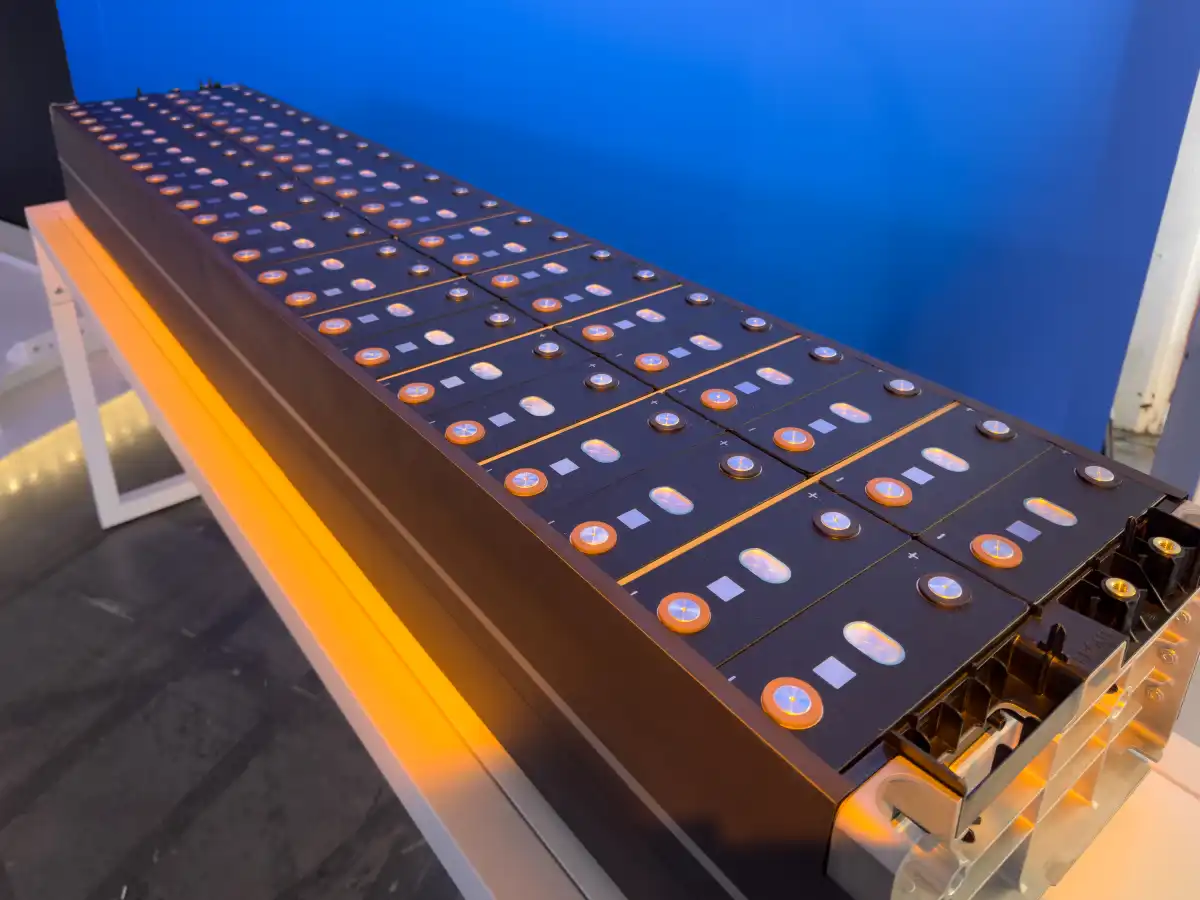
General Motors has announced plans to integrate its electric vehicle fleet into the grid through a vehicle-to-grid (V2G) capability, which will allow EVs to supply energy back to the electrical grid during times of peak demand. The automaker has also partnered with Peak Energy to develop sodium-ion batteries for stationary grid-scale storage, aiming to provide reliable and affordable power for utilities and industrial users. This move marks a significant shift in the industry's focus on energy storage and grid resiliency, particularly in light of growing electricity demand from AI data centers.
What Happened
At an event in San Francisco, General Motors announced its plans to activate V2G capabilities for existing customers, with no new hardware required. The company has already deployed over 250,000 bidirectional-capable EVs on the road, and by 2030, it projects that 130,000 of these vehicles will be operational in Northern California alone, with more than 52,000 taking part in grid-balancing protocols. GM is working with Pacific Gas and Electric Company (PG&E) in Northern California and DTE Energy in Michigan to test grid integration.
The V2G program spans models from the Chevy Equinox EV to the Cadillac Escalade IQ, and GM's battery labs are developing sodium-ion chemistry with Peak Energy for stationary grid-scale storage. The company is prioritizing cycle life and cost over energy density required for road vehicles. Separately, Redwood Materials will deploy around 100 second-life GM battery packs at a Michigan plant, providing 1.5 MW and 7.2 MW/h of energy and projected savings of more than $3 million in electricity costs.

Background and Context
The growing demand for electricity from AI data centers has put new pressure on the grid, leading to increased energy costs and potential power outages. Utilities are looking for innovative solutions to manage this demand, and GM's V2G capabilities offer a promising solution. By utilizing the energy stored in EV batteries, utilities can reduce their reliance on fossil fuels and lower electricity costs for consumers.
The sodium-ion battery partnership with Peak Energy addresses a different problem, targeting utility-scale demand driven by AI data centers and industrial power users. GM's approach stands out because it builds directly on the battery expertise developed for vehicles, leveraging existing manufacturing scale and infrastructure. The company is positioning itself across the full electricity demand stack, rather than focusing on a single segment.
Why It Matters to the Industry
The V2G capability and sodium-ion grid storage partnership are significant developments in the industry's focus on energy storage and grid resiliency. GM's efforts demonstrate a commitment to linking its fleet of EVs to home and grid networks, providing a potential solution to the energy demand crisis faced by utilities. The company's approach also highlights the importance of matching the right chemistry to the right application, rather than forcing one solution across every use case.
The industry's focus on energy storage is shifting from electric vehicles to stationary applications, driven by the growing demand for electricity from AI data centers and industrial users. GM's sodium-ion battery partnership with Peak Energy addresses this need, providing reliable and affordable power for utilities and industrial users. The company's V2G capabilities offer a promising solution to manage peak demand and reduce energy costs for consumers.
What Comes Next
8,812 page views