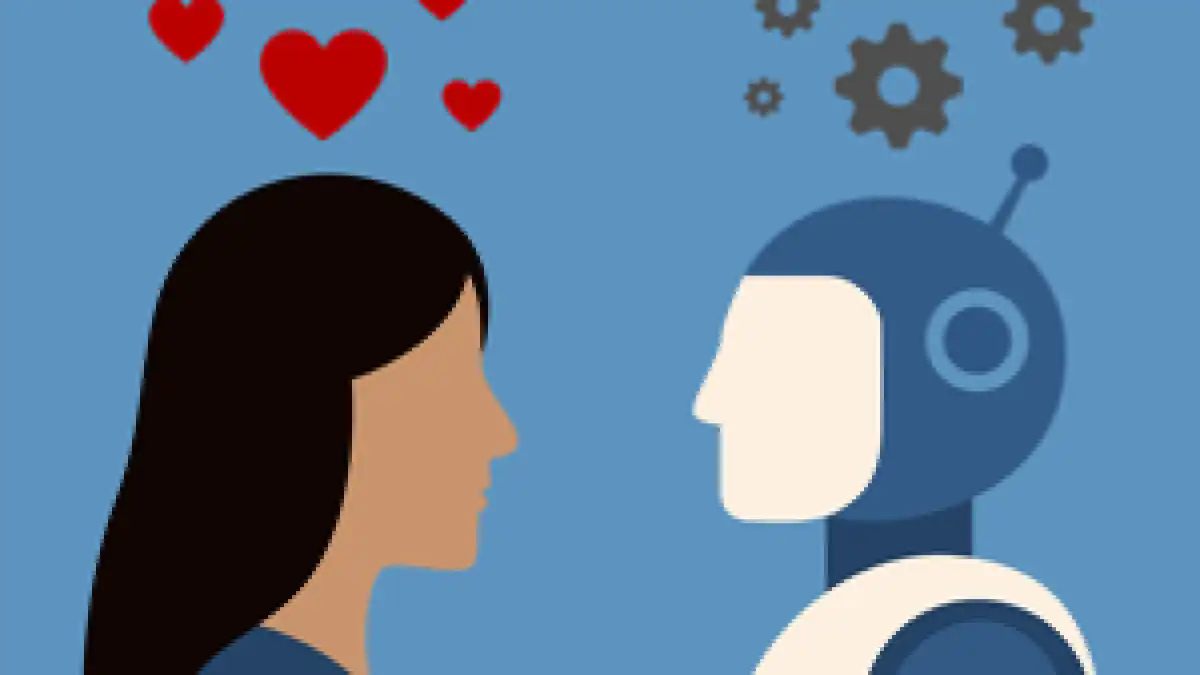
A recent surge in acceptance of AI companions as substitutes for human relationships has sparked concerns about the impact on human connections and emotional well-being.
What Happened
A report from the Collective Intelligence Project (CIP) found that 54% of adult respondents across the globe consider AI companions "acceptable for lonely people," while 36.3% have felt that an AI bot "truly understood their emotions." Furthermore, 17% of participants considered AI romantic partners acceptable, and 11% would personally consider a romantic relationship with an AI bot.
This phenomenon is not limited to the CIP report; other studies have also highlighted the increasing acceptance of AI companions. A survey by Common Sense Media found that 72% of teens surveyed have used AI companions, and 33% said they have relationships/friendships with chatbots. The Pew study shows that 3 in 10 teens use chatbots daily, with differences in use by gender, race, ethnicity, and household income level.

Researchers at Brigham Young University (BYU) are also exploring the impact of AI on human relationships. A study published in PNAS found that when an AI chatbot made suggestions to restate, validate, or increase the politeness of a statement before it was posted, participants had increased feelings of being heard and understood.
Background and Context
The rise of AI companions is not surprising given the increasing availability and capabilities of these technologies. According to a 2024 analysis by venture capital firm Andreessen Horowitz, companion AI makes up 16 of the top 100 AI apps based on web traffic and monthly active users.
At the same time, people are increasingly lonely. The US Surgeon General has classified loneliness as an epidemic with severe ramifications for well-being, and the World Health Organization has declared the health impacts of loneliness as on par with smoking 15 cigarettes a day.
The proliferation of companion AI at a time of great collective emotional need begs critical questions. Can AI truly be a companion, whether platonic or romantic? What does engaging with companion AI as one would a person mean for our understanding of relationships?
Why it Matters to the Industry
The adult industry has long been at the forefront of leveraging technology to enhance user experiences and meet emotional needs. The rise of AI companions raises important questions about the impact on human connections and emotional well-being.
For platforms and operators, this means considering the potential consequences of promoting or facilitating AI companions as substitutes for human relationships. Will users become increasingly reliant on AI companions, potentially leading to a decline in human connections?
The industry must also consider the implications for moderation and age-gating. As AI companions become more sophisticated, it may be increasingly difficult to distinguish between genuine human interactions and AI-generated content.
What Comes Next
As researchers continue to explore the impact of AI on human relationships, the industry must stay vigilant and adapt to changing user needs and behaviors.
Platforms and operators can take steps to mitigate potential risks by implementing robust moderation policies and ensuring that users are aware of the limitations and potential consequences of engaging with AI companions.
Key Facts
- 54% of adult respondents consider AI companions "acceptable for lonely people."
- 36.3% have felt that an AI bot "truly understood their emotions."
- 17% of participants considered AI romantic partners acceptable.
- 11% would personally consider a romantic relationship with an AI bot.
- 72% of teens surveyed have used AI companions.
- 3 in 10 teens use chatbots daily, with differences in use by gender, race, ethnicity, and household income level.